
Prostate health is a crucial aspect of a man’s overall well-being. Many men overlook the early signs of prostate problems in men, which can lead to serious complications if not addressed in time. Recognizing these signs and seeking prompt medical advice can prevent long-term health issues.
This article explains in simple, easy-to-understand language the early signs of prostate problems in men, their causes, diagnosis, and ways to maintain prostate health.

What is the Prostate and Why Is It Important?
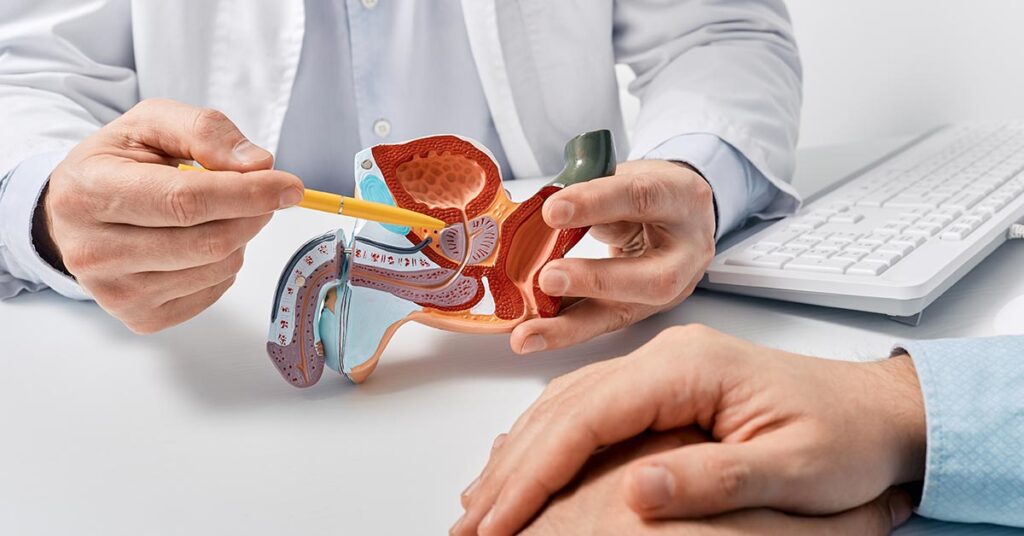
The prostate is a small gland located below the bladder. It surrounds the urethra, which carries urine out of the body. Its main role is to produce fluid that nourishes and transports sperm.
Prostate health can affect urinary function, sexual health, and overall male reproductive health. Recognizing the early signs of prostate problems in men can help prevent severe complications. Read More :- What Are the Main Causes of Male Infertility and How Is It Diagnosed?
Common Causes of Prostate Problems
Prostate problems can develop due to several reasons:
- Benign Prostatic Hyperplasia (BPH): Non-cancerous enlargement of the prostate.
- Prostatitis: Infection or inflammation of the prostate.
- Prostate Cancer: Abnormal cell growth in the prostate gland.
- Hormonal Imbalances: Changes in testosterone and other male hormones.
- Lifestyle Factors: Poor diet, obesity, and lack of exercise can contribute to prostate problems.
Understanding these causes helps in identifying the early signs of prostate problems in men.

Early Signs of Prostate Problems in Men
Prostate issues often develop gradually. Recognizing the early signs of prostate problems in men allows for timely treatment. Common signs include:
1. Frequent Urination
Men may need to urinate often, especially at night. This is a common symptom of prostate enlargement symptoms.
2. Difficulty Starting Urination
A weak or slow urine stream is another early sign of prostate problems in men.
3. Pain or Burning During Urination
Painful urination may indicate infection or inflammation of the prostate, known as prostatitis symptoms in men.
4. Blood in Urine or Semen
Blood in urine or semen is serious and may signal male reproductive health issues.
5. Lower Back, Pelvic, or Hip Pain
Persistent pain can be linked to prostate inflammation or cancer. Pain in these areas is a noticeable early sign of prostate problems in men.
6. Sexual Dysfunction
Difficulty achieving or maintaining an erection or painful ejaculation may also indicate prostate issues. These are common prostate enlargement symptoms.
When to Seek Help
Men should consult a doctor immediately if they notice any of the PSA test for prostate, such as:
- Sudden changes in urinary habits
- Blood in urine or semen
- Persistent pelvic or lower back pain
- Painful urination or ejaculation
- Erectile dysfunction with other symptoms
Ignoring these symptoms can worsen the condition and lead to serious complications in male reproductive health.
Diagnosis of Prostate Problems
Doctors use several methods to diagnose prostate issues:
1. Medical History and Symptom Assessment
Doctors ask about urinary habits, sexual health, family history, and pain symptoms to determine the frequent urination in men.
2. Physical Examination (Digital Rectal Exam – DRE)
The doctor examines the prostate through the rectum to detect enlargement or lumps, which is important for identifying prostate enlargement symptoms.
3. Urine Tests
Urine tests detect infections or urinary problems contributing to prostate problems in men.
4. Blood Tests (PSA Test)
Prostate-Specific Antigen (PSA) levels are measured in blood. Elevated PSA may indicate prostate enlargement symptoms or cancer.
5. Imaging Tests
Ultrasound or MRI may be used to assess prostate size, shape, and tumors, which are critical for detecting male reproductive health issues.
6. Biopsy
If cancer is suspected, a tissue sample may be taken for analysis, addressing serious early signs of prostate problems in men.
Treatment Options for Prostate Problems
Treatment depends on the type and severity of the prostate issue:
1. Medication
- Alpha-blockers relax prostate muscles to improve urine flow.
- 5-alpha-reductase inhibitors reduce prostate size.
- Antibiotics for bacterial infections causing prostatitis.
2. Surgery
- TURP (Transurethral Resection of the Prostate) for severe BPH.
- Prostatectomy for cancer removal.
3. Lifestyle Changes
- Reduce caffeine and alcohol intake.
- Drink enough water but limit nighttime intake.
- Exercise regularly and maintain a healthy weight to support male reproductive health.
4. Regular Monitoring
Men with mild symptoms may undergo regular PSA testing to monitor prostate enlargement symptoms.
Prevention and Prostate Health Tips
Maintaining prostate health reduces the risk of complications:
- Eat a balanced diet rich in fruits, vegetables, and whole grains.
- Exercise regularly to maintain a healthy weight.
- Avoid smoking and limit alcohol consumption.
- Stay hydrated but manage fluid intake before sleep.
- Schedule regular checkups after age 50 or earlier if family history exists.
These measures help detect early signs of prostate problems in men and prevent male reproductive health issues.
Conclusion
Recognizing the early signs of prostate problems in men is crucial for timely diagnosis and treatment. Symptoms like frequent urination, weak urine flow, pain during urination, blood in urine or semen, pelvic pain, and sexual dysfunction are important indicators.
Early consultation allows proper diagnosis using physical exams, urine tests, PSA testing, imaging, and biopsy if needed. Treatments range from medication and lifestyle changes to surgery in severe cases.
Proactive attention to prostate health improves male reproductive health, enhances quality of life, and prevents severe complications. By recognizing the frequent urination in men, men can take steps toward better health and well-being. Read More :- What Are Low Male Hormone Problems and How Can They Be Treated Naturally?
FAQs
1. What are the most common early signs of prostate problems in men?
The most common PSA test for prostate include frequent urination, weak urine flow, difficulty starting urination, pain during urination, blood in urine or semen, pelvic pain, and sexual dysfunction.
2. At what age should men start checking their prostate health?
Men should start regular prostate screening around age 50. Those with a family history or risk factors should begin earlier to catch early signs of prostate problems in men.
3. Can lifestyle changes prevent prostate problems?
Yes. A healthy diet, regular exercise, avoiding smoking and excess alcohol, and staying hydrated help reduce the risk of prostate enlargement symptoms and other male reproductive health issues.
4. How is prostate cancer detected?
Prostate cancer is detected through PSA blood tests, digital rectal exams, imaging, and biopsy. Recognizing early signs of prostate problems in men is critical for early intervention.
5. When should I see a doctor for prostate problems?
See a doctor if you notice blood in urine or semen, persistent pelvic pain, sudden changes in urination, or sexual dysfunction. Prompt attention improves treatment outcomes and prevents long-term male reproductive health issues.