Piles diet what to eat ?Piles (bawasir, or hemorrhoids) are swollen veins in and around the anus and lower rectum. They can cause bleeding, itching, swelling and pain, especially during bowel movements. In most mild cases the biggest trigger is constipation and straining, and that is exactly where your diet makes a difference. This guide explains what to eat, what to avoid and how Ayurveda looks at piles, so you can make practical changes at home. You can also read our detailed article on piles treatment in Hisar for causes and care.
Piles diet what to eat
Hard, dry stools force you to strain, and straining puts pressure on the veins around the anus. A diet rich in fibre and fluids keeps stools soft and bulky so they pass easily. Adults are generally advised to aim for roughly 25 to 30 grams of fibre a day, but most people eat much less than this.
The Ayurvedic view of piles
In Ayurveda, piles are called Arsha. Classical texts link them with weak digestion (mandagni), chronic constipation and imbalance of the doshas, mainly vata along with pitta or kapha. This is why Ayurvedic care focuses on improving digestion and keeping stools soft through diet, routine and, where needed, herbal medicines prescribed by a qualified vaidya.
Foods to eat in piles
- Whole grains: whole wheat roti, oats, daliya, brown rice and millets such as bajra and jowar.
- Vegetables: bottle gourd (lauki), ridge gourd (tori), spinach, carrot, pumpkin, beetroot and other leafy greens.
- Fruits: papaya, ripe banana, apple, guava, pear, orange and soaked raisins or prunes.
- Pulses: moong dal and masoor dal, cooked soft and lightly spiced.
- Buttermilk (chaas) with a pinch of roasted cumin, and fresh home-made curd.
- Healthy fats in moderation: a little ghee in cooking is traditionally recommended; keep the quantity small.
- Plenty of fluids: 8 to 10 glasses of water a day (unless your doctor has restricted fluids), plus coconut water and thin vegetable soups.
- Psyllium husk (isabgol): often used as a fibre supplement. Start with a small amount, drink plenty of water and check with your doctor first.
Foods to avoid or limit
- Very spicy food, chilli-heavy gravies and pickles.
- Deep-fried and oily snacks such as samosa, pakora and puri.
- Refined flour (maida) products such as white bread, noodles, bakery items and biscuits.
- Excess red meat and heavy non-vegetarian meals.
- Packaged, processed and fast food, which are low in fibre.
- Too much tea, coffee, soft drinks and alcohol, which can dehydrate you and irritate the gut.
- Large amounts of cheese and other low-fibre dairy, if they make you constipated.
A simple one-day diet example
- Early morning: 1 to 2 glasses of warm water, with a few soaked raisins.
- Breakfast: vegetable daliya or oats with a banana or a bowl of papaya.
- Mid-morning: a seasonal fruit or a glass of coconut water.
- Lunch: 2 whole wheat rotis, lauki or spinach sabzi, moong dal, salad and a glass of chaas.
- Evening: a fruit, or a handful of soaked almonds with herbal tea.
- Dinner (early and light): moong dal khichdi or vegetable soup with 1 roti.
- Bedtime: a glass of warm water. Some people use triphala at night, but only take it on a practitioner’s advice.
This is a general example, not a personal prescription. Your plan may differ based on your digestion, other health conditions and medicines.
Lifestyle habits that support your diet
- Go to the toilet when you feel the urge. Do not hold it in.
- Do not strain or sit for a long time on the toilet, and avoid using the phone there.
- A warm water sitz bath for 10 to 15 minutes, two or three times a day, can ease pain and itching.
- Walk for at least 30 minutes daily, and take short breaks if you sit for long hours.
- Maintain a healthy weight and avoid lifting heavy weights while holding your breath.
When to see a doctor
Bleeding from the back passage should never be assumed to be piles without an examination. Please see a doctor promptly if you have heavy or repeated bleeding, black or tarry stools, severe pain, a lump that does not go back in, a change in bowel habits that lasts for weeks, unexplained weight loss, dizziness or weakness, or if there is no improvement after one to two weeks of home care.
Frequently Asked Questions (FAQ)
Which foods should be avoided in piles?
Spicy, oily and deep-fried food, refined flour products, processed snacks, excess red meat, and too much tea, coffee or alcohol are best limited.
Is milk good or bad in piles?
Many people tolerate milk well, but for some it causes constipation. Watch how your body reacts and adjust. Buttermilk is usually a safer choice.
Can piles go away with diet alone?
Mild, early piles often improve with a fibre-rich diet, enough water and better bowel habits. Larger or bleeding piles may need medical treatment, so get them checked.
Is banana good for piles?
Ripe banana is soft and contains fibre, so it usually helps. Unripe banana can be constipating for some people.
How soon can I expect to feel better?
Many people notice softer stools within a few days to two weeks of changing their diet, but results vary from person to person.
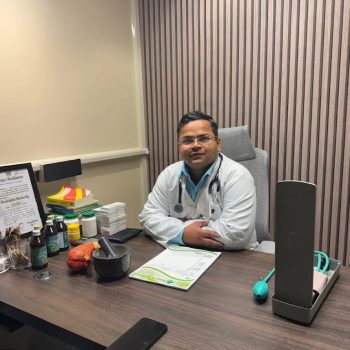
Consult Dr. Bhisham Tiwari at Nature Hospital, Hisar
If you are dealing with piles, you do not have to manage it alone. At Nature Hospital, Dr. Bhisham Tiwari (Ayurvedacharya) offers confidential consultations in the clinic and online. After a detailed assessment, including Nadi Parikshan, a personalised plan covering medicines, diet and lifestyle is suggested. Learn more about our piles treatment or book a consultation. The online consultation fee is ₹200 and is adjustable against a complete treatment package.
- Address: 32, Rama Complex, Parijat Chowk, Hisar, Haryana 125001
- Phone / WhatsApp: +91 98126 95495
- Timings: Monday to Saturday, 9:00 am to 7:00 pm (Sunday closed)
Disclaimer: This article is for general information and education only. It is not a substitute for professional medical advice, diagnosis or treatment. Always consult a qualified doctor for your specific condition, and do not stop or change any prescribed medicine without medical advice. Individual results may vary.