“Piles, also called hemorrhoids, are a very common problem, yet many people suffer in silence for months because of embarrassment. If you are looking for safe and effective piles ayurvedic treatment in hisar, natural therapies and dietary corrections offer lasting relief.”
What Are Piles?
Piles are swollen veins in or around the anus and lower rectum. They are of two main types:
- Internal piles: form inside the rectum. They are often painless but may cause bleeding.
- External piles: form under the skin around the anus. They can cause pain, itching and swelling.
Common Causes of Piles
- Chronic constipation and straining during bowel movements
- A low-fibre diet with too much junk, oily or spicy food
- Not drinking enough water
- Sitting for long hours, especially desk jobs and long-distance driving
- Spending too much time on the toilet, including using a phone there
- Obesity and lack of exercise
- Pregnancy and heavy lifting
- Family history
Symptoms of Piles
- Bright red blood during or after passing stool
- Pain or burning during bowel movements
- Itching or irritation around the anus
- A lump or swelling near the anus
- A feeling that the bowel has not emptied completely
- Mucus discharge
Ayurvedic Treatment for Piles in Hisar: Causes & Explanation
According to Ayurveda, piles are mainly linked to weak digestion and constipation. When digestion is poor and stool becomes hard, it puts pressure and strain on the veins of the anal area. So Ayurvedic care focuses on improving digestion, softening stool and balancing the body’s doshas, instead of only treating the visible swelling.
Ayurvedic practitioners commonly consider herbs and formulations such as Triphala, Haritaki and psyllium husk for bowel regularity, along with buttermilk and warm sitz baths for comfort. The right treatment depends on your body type, the stage of piles and your overall health, so please take advice from a qualified practitioner before starting any medicine.
Diet for Piles: What to Eat and What to Avoid
Eat more of
- High-fibre foods such as whole wheat bread, oats, broken wheat porridge and brown rice
- Green leafy vegetables, bottle gourd, ridge gourd and pumpkin
- Fruits such as papaya, guava, apple, banana and soaked raisins
- Buttermilk and plenty of water, around 8 to 10 glasses a day
- A teaspoon of ghee in warm milk at night, if it suits you
Avoid or reduce
- Very spicy, oily and fried food
- Refined white flour, bakery items and processed junk food
- Too much tea, coffee and alcohol
- Red meat and heavy, hard-to-digest meals
Home Care and Lifestyle Tips for Relief
- Sitz bath: sit in a tub of warm water for 10 to 15 minutes, 2 to 3 times a day, to ease pain and swelling.
- Do not strain: if you do not feel the urge, do not force it. Avoid sitting on the toilet for more than 5 to 10 minutes.
- Keep moving: if you have a desk job, take a short walk every hour, and exercise daily.
- Keep the area clean: wash gently with water and pat dry. Avoid harsh soaps and rough tissue.
- Build a routine: try to use the toilet at a fixed time every day, ideally after breakfast.
- Manage your weight: even a small amount of weight loss reduces pressure on the veins.
When Should You See a Doctor?
Please do not self-diagnose, because several other conditions can also cause rectal bleeding. Consult a doctor promptly if:
- You notice blood in the stool, especially for the first time or if it is heavy
- Bleeding or pain continues for more than a week despite home care
- You have severe pain, a hard lump or fever
- You notice a change in bowel habits, black stool or unexplained weight loss
- You feel dizzy or weak along with bleeding
Piles Treatment at Nature Hospital, Hisar
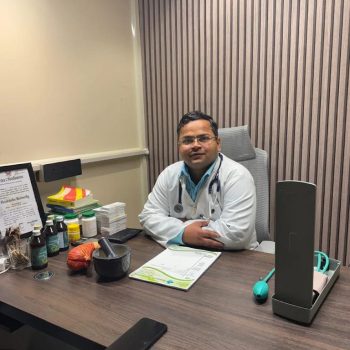
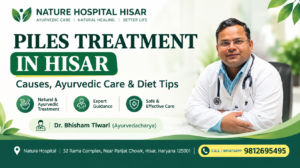
At Nature Hospital, Dr. Bhisham Tiwari (Ayurvedacharya) examines your digestion, bowel habits, diet and medical history before suggesting a personalised plan that may include herbal medicines, diet changes and lifestyle guidance. Consultations are confidential and available both online and in the clinic.
Learn more on our piles treatment page, or contact us to book a consultation.
Phone: +91 98126 95495
Address: 32 Rama Complex, Parijat Chowk, Hisar, Haryana 125001
Timings: Monday to Saturday, 9:00 AM to 7:00 PM
Frequently Asked Questions (FAQ)
Can piles be treated without surgery?
Early-stage piles often improve with diet, lifestyle changes and proper treatment. Advanced or complicated piles may need other procedures. A doctor should assess your stage before deciding.
Is bleeding from piles always dangerous?
Not always, but it should never be ignored. Rectal bleeding can have other causes, so a proper check-up is important, especially if it is heavy or repeated.
Which foods help the most with piles?
Fibre-rich foods, fruits like papaya and guava, green vegetables, buttermilk and plenty of water help keep stools soft and easy to pass.
Can piles come back after treatment?
They can, if the underlying causes such as constipation, low fibre intake and long hours of sitting continue. Keeping a healthy routine is the best way to prevent recurrence.
How long does Ayurvedic treatment for piles take?
It depends on the stage, your digestion and how closely you follow the diet and lifestyle plan. A practitioner can give you a realistic idea after examining you.
Disclaimer: This article is for informational purposes only and is not a substitute for professional medical advice. Please consult a qualified practitioner before starting any treatment.
Book Your Consultation Today
Premature ejaculation is common, treatable and nothing to be ashamed of. The sooner you speak to a doctor, the sooner you can start improving your confidence and your relationship.
📍 Nature Hospital Hisar
32 Rama Complex, Near Parijat Chowk, Hisar, Haryana 125001
📞 Call / WhatsApp: 9812695495