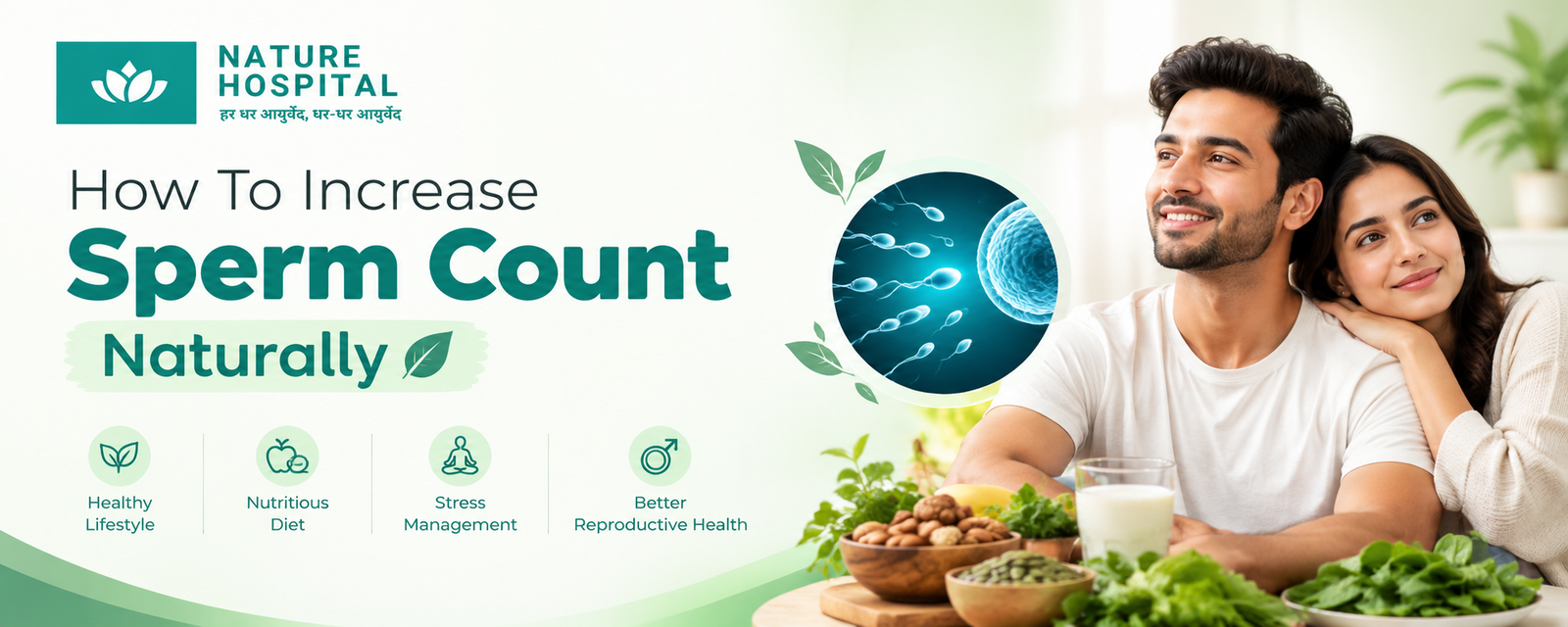
Struggling to conceive can be stressful for a couple, and many men feel embarrassed to talk about it. The important thing to know is that male factors contribute to a significant share of fertility problems, and a low sperm count is one of the most common. This guide explains what low sperm count means and how to increase sperm count naturally, its causes, how it is diagnosed, and the diet and lifestyle steps that can support sperm health.
What is a low sperm count?
A low sperm count, medically called oligospermia, generally means fewer than about 15 to 16 million sperm per millilitre of semen on a semen analysis. A low count does not always mean a man cannot father a child, but it can make conception harder. Sperm movement (motility) and shape (morphology) also matter, not just the number.
7 common causes of low sperm count
- Varicocele: enlarged veins in the scrotum that raise the temperature around the testicles.
- Infections: infections of the reproductive or urinary tract, including some sexually transmitted infections.
- Hormonal problems: low testosterone or problems with the pituitary or thyroid glands. See our guide on low testosterone symptoms.
- Heat exposure: long hours with a laptop on the lap, frequent hot baths or saunas, and very tight underwear.
- Lifestyle habits: smoking, heavy alcohol use, tobacco chewing, drug use and anabolic steroids.
- Obesity, diabetes and poor sleep: these can disturb hormones and sperm quality.
- Stress and environmental factors: chronic stress, pesticides, chemicals and some medicines can lower sperm production.
How is it diagnosed?
The basic test is a semen analysis. It is usually done after 2 to 5 days of abstinence and may be repeated after a few weeks, because results can vary. Your doctor may also advise hormone tests, a scrotal ultrasound and other investigations based on your history.
The Ayurvedic view
In Ayurveda, semen and reproductive health relate to shukra dhatu, which depends on good digestion, proper nutrition, sleep and a calm mind. Poor lifestyle, stress and imbalance of the doshas are believed to reduce its quality. Ayurvedic care therefore looks at the whole person, including digestion, stress, sleep and habits, and may use herbs such as ashwagandha and safed musli under supervision. The scientific evidence for individual herbs is still limited, so please do not self-medicate.
Diet tips to support sperm health and how to increase sperm count naturally
- Fruits and vegetables: rich in antioxidants such as vitamin C and E. Include citrus fruits, berries, tomatoes, carrots and leafy greens.
- Zinc and selenium sources: pumpkin seeds, nuts, eggs, whole grains and pulses.
- Folate: green leafy vegetables, beans and lentils.
- Omega-3 fats: walnuts, flaxseed and, for non-vegetarians, fish.
- Enough protein and water every day.
- Limit processed food, sugary drinks, fried food and excess caffeine.
Lifestyle tips
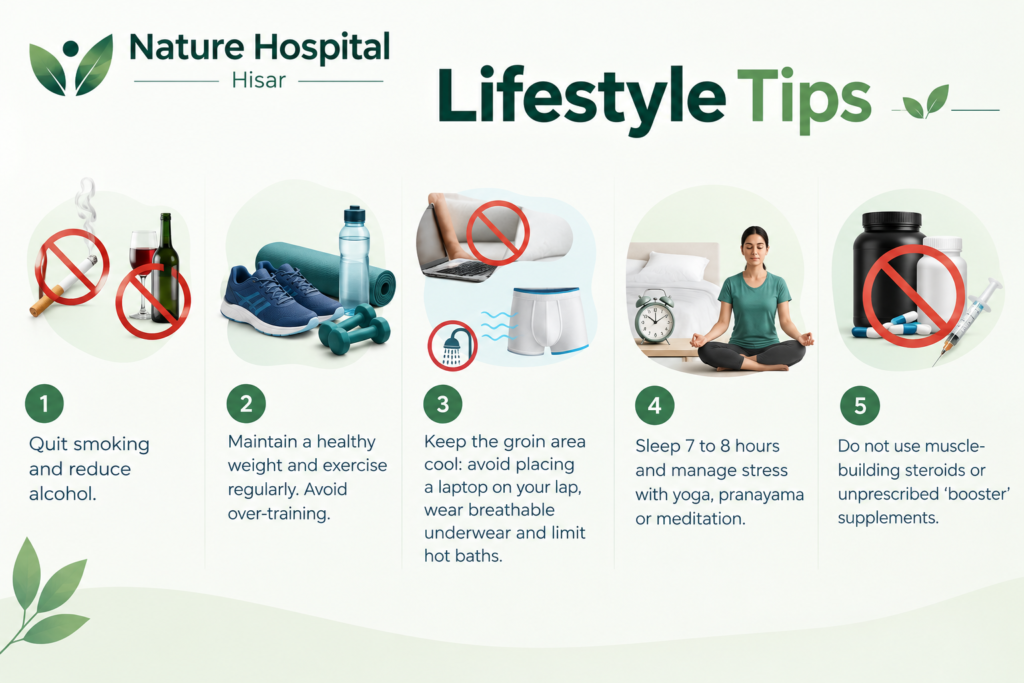
- Quit smoking and reduce alcohol.
- Maintain a healthy weight and exercise regularly. Avoid over-training.
- Keep the groin area cool: avoid placing a laptop on your lap, wear breathable underwear and limit hot baths.
- Sleep 7 to 8 hours and manage stress with yoga, pranayama or meditation.
- Do not use muscle-building steroids or unprescribed ‘booster’ supplements.
When to see a doctor
Consult a doctor if you have been trying to conceive for 12 months without success (or 6 months if the female partner is over 35). Seek advice sooner if you have pain or swelling in the testicles, a history of injury or surgery, erection or ejaculation problems, or known hormone issues. Fertility is a team effort, so the female partner should also be evaluated.
Frequently Asked Questions (FAQ)
What is a normal sperm count?
A concentration of about 15 to 16 million per millilitre or more is generally considered within the reference range, along with normal motility and shape.
Can low sperm count be improved naturally?
In many men, healthy habits such as a good diet, exercise, quitting smoking and managing stress can support sperm quality. The result depends on the underlying cause.
Does masturbation cause low sperm count?
No. Normal masturbation does not cause a permanently low sperm count.
How long does it take to improve sperm quality?
Sperm take around 2 to 3 months to develop, so it usually takes at least 3 months of healthy changes to see a difference.
Should both partners get tested?
Yes. Evaluating both partners saves time and helps find the exact cause.
Consult Dr. Bhisham Tiwari at Nature Hospital, Hisar
If you are dealing with low sperm count or fertility concerns, you do not have to manage it alone. At Nature Hospital, Dr. Bhisham Tiwari (Ayurvedacharya) offers confidential consultations in the clinic and online. After a detailed assessment, including Nadi Parikshan, a personalised plan covering medicines, diet and lifestyle is suggested. Learn more about our low sperm count treatment or book a consultation. The online consultation fee is ₹200 and is adjustable against a complete treatment package.
- Address: 32, Rama Complex, Parijat Chowk, Hisar, Haryana 125001
- Phone / WhatsApp: +91 98126 95495
- Timings: Monday to Saturday, 9:00 am to 7:00 pm (Sunday closed)
Disclaimer: This article is for general information and education only. It is not a substitute for professional medical advice, diagnosis or treatment. Always consult a qualified doctor for your specific condition, and do not stop or change any prescribed medicine without medical advice. Individual results may vary.