Everyone experiences worry, nervousness or stress from time to time. An important presentation, a family concern, financial pressure, a health problem or a major life change can make the mind feel unsettled. These feelings may pass when the situation improves. Anxiety can be different when worry becomes persistent, difficult to control or so intense that it affects sleep, work, studies, relationships or everyday decisions.
People looking for Ayurvedic treatment for anxiety often want to understand how traditional approaches such as daily routine, food choices, breathing practices, meditation and herbs may fit into a broader wellbeing plan. Ayurveda views the mind and body as closely connected and places importance on regular habits, rest, digestion and emotional balance. These practices may help some people feel more settled, but they should not be presented as a guaranteed cure or as a replacement for evidence-based mental health care.
This guide explains common signs of anxiety, the traditional Ayurvedic perspective, practical lifestyle steps, pranayama techniques, food and sleep habits, the cautious use of herbs, and situations in which professional help is important. The suggestions are general educational information. A person’s symptoms, medical history, current medicines and personal circumstances should guide any treatment decisions.
In This Article
- Understanding anxiety
- Common signs and symptoms
- Possible triggers and contributing factors
- The Ayurvedic view: Manas Roga, Vata and Rajas
- Why a proper assessment matters
- Pranayama and breathing practices
- Mindfulness, meditation and grounding
- Diet and hydration
- Daily routine and Dinacharya
- Sleep and anxiety
- Physical activity and time outdoors
- Ayurvedic herbs: benefits and precautions
- Professional treatment and combined care
- What to do during a wave of anxiety
- When to seek help urgently
- A gentle seven-day wellbeing plan
- Frequently asked questions
1. Understanding Anxiety: When Does Worry Become a Problem?
Anxiety is the body’s response to a perceived threat, uncertainty or pressure. It can prepare a person to respond to a challenge. For example, feeling nervous before an examination may encourage preparation, and being alert in an unfamiliar situation can help someone stay aware of their surroundings. This short-term response is a normal part of life.
However, anxiety may need attention when it happens frequently, feels out of proportion to the situation, continues even when there is no immediate danger, or leads a person to avoid ordinary activities. Someone may repeatedly imagine the worst possible outcome, seek reassurance, struggle to concentrate or feel unable to relax. Physical sensations can make the experience more frightening, especially when a racing heart, tight chest, dizziness or shortness of breath is mistaken for proof that something terrible is happening.
Anxiety is not a character flaw, a sign of weakness or something a person should simply “snap out of.” It can involve biological, psychological, social and environmental factors. Stressful experiences, inherited vulnerability, sleep disruption, certain medicines and some physical health conditions may all play a role. Different anxiety disorders also have different patterns, so a qualified clinician is best placed to assess persistent symptoms.
There is no single routine, food, breathing exercise or herbal product that works for everyone. A realistic plan may combine professional assessment, psychological treatment when indicated, prescribed medication where appropriate, supportive relationships and everyday habits that make life more manageable. Ayurveda-inspired practices can be considered as supportive options when they are safe for the individual and do not delay needed care.
2. Common Signs and Symptoms of Anxiety
Anxiety can affect thoughts, emotions, the body and behaviour. Symptoms vary from person to person and can change from one day to another. Some people mainly experience constant worry, while others notice physical symptoms first.
Emotional and mental signs
- Persistent worry about health, work, money, family or the future.
- A sense of dread, apprehension or feeling that something bad is about to happen.
- Difficulty switching off thoughts or repeatedly reviewing conversations and decisions.
- Irritability, feeling overwhelmed or becoming easily startled.
- Difficulty concentrating, remembering details or making decisions.
- Feeling restless or unable to relax, even during quiet moments.
Physical signs
- A racing or pounding heartbeat.
- Sweating, trembling, shaking or muscle tension.
- Fast breathing, a sensation of breathlessness or tightness in the chest.
- Stomach discomfort, nausea, changes in appetite or bowel symptoms.
- Headaches, fatigue, dizziness or feeling light-headed.
- Difficulty falling asleep, waking often or feeling unrefreshed in the morning.
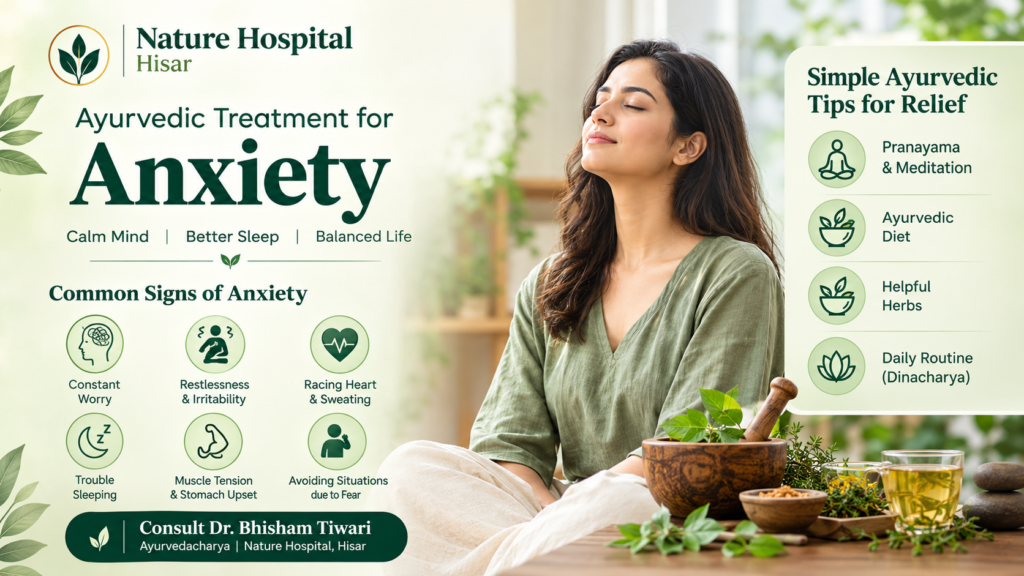
Changes in behaviour
A person may avoid meetings, travel, social events, crowded places or other situations that trigger fear. They may repeatedly check things, seek reassurance or postpone decisions because they are afraid of making a mistake. Avoidance can bring short-term relief, but over time it may make everyday situations feel more threatening and reduce confidence.
These symptoms do not automatically mean that someone has an anxiety disorder. Similar signs can occur with physical health problems, medication effects, caffeine use or other mental health conditions. New, severe or unusual symptoms—especially chest pain, fainting or significant breathing difficulty—should not automatically be attributed to anxiety. Seek medical assessment when symptoms are concerning.
3. Possible Triggers and Contributing Factors
Anxiety usually does not have one simple cause. It can emerge from a combination of personal vulnerability and current pressures. Understanding patterns may help a person decide which changes are useful, while avoiding the assumption that anxiety is always caused by poor habits.
Stress and life changes
Workload, exams, relationship difficulties, caregiving responsibilities, financial uncertainty, grief, relocation and health worries can all increase stress. Even positive changes, such as starting a new job or becoming a parent, can require adjustment. If stress continues for a long time without enough recovery, a person may feel constantly on alert.
Sleep and routine disruption
Irregular sleep, night-shift work, late-night screen use and inconsistent meal times can affect energy and emotional regulation. Poor sleep may make worry harder to manage, while anxiety itself can make it difficult to sleep. This cycle is common and can be addressed step by step rather than by blaming oneself.
Caffeine, nicotine, alcohol and other substances
Caffeine and energy drinks can cause jitteriness, palpitations or restlessness in some people, especially in large amounts or late in the day. Nicotine can affect arousal, and alcohol may temporarily feel relaxing but can disrupt sleep and worsen anxiety as its effects wear off. Recreational substances and withdrawal from some substances can also affect mood. If substance use has become difficult to control, a healthcare professional can help plan safer support.
Physical health and medicines
Some medical conditions and certain medicines can cause symptoms that resemble anxiety. A clinician may consider the person’s symptoms, medical history and current treatments to determine whether further assessment is needed. Do not stop prescribed medicine or start a supplement simply because symptoms seem stress-related.
Personal history and learned patterns
Past frightening experiences, long-term adversity, family history and learned responses to uncertainty may influence how anxiety develops. None of these factors means a person is destined to experience anxiety. Support, therapy, skills practice and appropriate treatment can help people develop new ways of responding.
4. The Ayurvedic View: Manas Roga, Vata and Rajas
Ayurveda considers physical health, mental state, daily routine, diet, sleep and environment as connected aspects of wellbeing. Traditional Ayurvedic discussions of mental health may use the term Manas Roga for conditions affecting the mind. Concepts such as Vata, Rajas and Sattva are part of the traditional framework used to describe patterns of activity, restlessness and mental clarity.
Within this framework, anxiety-like experiences are sometimes described as involving aggravated Vata and increased Rajas. Vata is traditionally associated with movement and change, while Rajas is associated with activity, drive and restlessness. From this perspective, irregular routines, insufficient rest, overstimulation and inconsistent meals may be considered factors that disturb a sense of steadiness.
These are traditional explanatory concepts, not the same as a modern medical diagnosis or a proven biological explanation for anxiety disorders. They should not be used to label a person or to assume that every symptom comes from a dosha imbalance. Anxiety can have multiple causes, and a complete assessment may include both physical and psychological factors.
What does a balanced Ayurvedic lifestyle aim to support?
- Regularity: keeping broadly consistent times for waking, meals, movement and sleep.
- Rest: building in quiet time and avoiding constant stimulation where possible.
- Mind-body awareness: noticing breathing, tension, emotions and daily patterns without judging them.
- Suitable nourishment: choosing balanced meals and noticing whether particular drinks or foods worsen symptoms.
- Individualisation: adapting routines to age, health, work schedule, digestion, preferences and medical needs.
The most useful approach is one that is practical, safe and sustainable. A person should not feel pressured to follow a strict diet, buy expensive products or stop conventional treatment in order to benefit from supportive routines.
5. Why a Proper Assessment Matters Before Choosing Treatment
Before starting an anxiety treatment plan, it is helpful to understand what the person is experiencing, how long it has been happening, how much it affects daily life and whether there may be other contributing factors. A consultation may cover the onset of symptoms, common triggers, sleep, appetite, caffeine and alcohol use, medical history, current medicines and any previous treatment.
A clinician may ask whether worry occurs across many areas of life, whether there are sudden episodes of intense fear, whether certain situations are being avoided and whether symptoms are affecting work, studies or relationships. Depending on the situation, a medical examination or additional tests may be appropriate to investigate physical causes. Not everyone needs the same tests or treatment.
Some people also seek traditional assessments such as Nadi Parikshan as part of an Ayurvedic consultation. If this is part of a person’s care, it should not replace appropriate medical or mental health assessment, especially when symptoms are persistent, severe or new. Be open with every practitioner about medicines, supplements, medical conditions and previous diagnoses so that care can be coordinated safely.
Questions worth asking during a consultation
- What might be contributing to my symptoms, and what other causes should be considered?
- Which treatment options are supported for my situation?
- Are breathing practices, meditation or Ayurvedic products safe for me?
- Could any of my medicines, supplements, caffeine use or sleep patterns be affecting symptoms?
- How will we know whether the plan is helping, and when should we review it?
- What should I do if symptoms become worse or I experience a crisis?
A good plan should include clear expectations and follow-up. Be cautious of promises of a guaranteed cure, claims that every anxiety problem has the same cause, or advice to stop prescribed treatment without consulting the clinician who manages it.
6. Pranayama for Anxiety: Three Gentle Breathing Practices
Slow, comfortable breathing can help some people settle their attention and reduce the feeling of being caught in a stress response. Pranayama is a traditional set of breathing practices that many people use as part of yoga and wellbeing routines. It is best treated as a supportive skill rather than a stand-alone cure for an anxiety disorder.
6.1 Anulom Vilom (alternate-nostril breathing)
Choose a quiet, comfortable place and sit with your back supported. Keep your shoulders relaxed and breathe gently. Using a comfortable hand position, close one nostril and inhale slowly through the other; switch sides and exhale gently. Continue alternating sides without forcing the breath. Beginners can start with one or two minutes and gradually extend the practice if it feels comfortable.
There are different traditional teaching styles for Anulom Vilom. For anxiety support, avoid forceful breathing, long breath-holds or competitive counting. If you feel dizzy, short of breath or uncomfortable, stop and return to normal breathing. People with respiratory or cardiovascular conditions, people who are pregnant, or anyone unsure about suitability should ask a healthcare professional or qualified instructor for guidance.
6.2 Bhramari (humming bee breath)
Sit comfortably, breathe in gently through the nose and breathe out slowly while making a soft humming sound. Keep the jaw, forehead and shoulders relaxed. Repeat for around five comfortable rounds, pausing whenever needed. You do not need to make the sound loud, and you should not strain your throat or hold your breath.
The gentle sound and attention to exhalation may provide a focus for the mind. Some people find it soothing; others may not enjoy it. If humming increases discomfort, dizziness or anxiety, stop. The goal is comfort, not perfect technique.
6.3 Slow belly breathing
Place one hand on the abdomen and one on the upper chest if this feels comfortable. Breathe in softly through the nose, allowing the abdomen to move naturally, then breathe out slowly without pushing all the air out. You might try breathing in for about four counts and out for about six, but the counts are optional. Use a pace that feels natural and never struggle to reach a target.
Try this for two to five minutes while seated. If focusing on breathing makes you feel more panicky, keep your eyes open, notice objects around you and return to ordinary breathing. Some people with panic symptoms become more aware of bodily sensations when concentrating on the breath, so a grounding exercise may be a better starting point.
How often should you practise?
Short, regular sessions are often easier to maintain than occasional long sessions. You could try a few minutes in the morning or after work and note how you feel before and after. A simple record can help you learn whether a practice is useful. There is no need to push through discomfort or treat a missed session as failure.
Do not use breathing exercises to delay urgent medical attention. New chest pain, fainting, severe breathlessness or symptoms that feel different from usual need medical evaluation.
7. Meditation, Mindfulness and Grounding Techniques
Meditation and mindfulness practices invite a person to notice present-moment experiences with less automatic judgement. They are not about forcing the mind to become blank. Thoughts will appear; the practice is to notice them and gently return attention to an anchor such as sounds, the feeling of the feet on the floor or the movement of breathing.
A simple five-minute practice
- Sit in a position that feels stable and comfortable.
- Notice three things you can see and two sounds you can hear.
- Feel the support of the chair or the floor beneath your feet.
- Allow thoughts to come and go without trying to solve every one of them.
- When attention wanders, gently return to one sensation in the present moment.
If closing your eyes feels uncomfortable, keep them open. If sitting quietly increases distress, try a walking practice or a guided session with a qualified professional. Meditation is not suitable in the same way for everyone, and it should be adapted if it triggers upsetting memories or increases symptoms.
Try a grounding exercise during worry
Grounding shifts attention from a loop of fearful thoughts to the immediate environment. Name five things you can see, four things you can feel, three things you can hear, two things you can smell and one thing you can taste, if comfortable. You can also describe the room in neutral detail or slowly count objects of one colour. The purpose is not to prove that a feared outcome is impossible; it is to reconnect with the present moment.
Write worries down instead of carrying them all day
Set aside a brief “worry time” earlier in the evening. Write down the concern, whether there is a practical action you can take, and when you will take it. If no action is available right now, acknowledge that uncertainty and return to your current activity. This is a self-help strategy, not a replacement for therapy when worry is persistent or disabling.
8. Diet for Anxiety: Foods, Drinks and Eating Habits
There is no single anxiety diet that treats every person. Balanced nutrition supports general health and energy, while regular meals may help reduce the shakiness or irritability that can occur when someone goes too long without eating. Food choices should reflect personal health needs, culture, budget, allergies and any advice from a clinician or dietitian.
Build meals around variety
- Whole grains: oats, whole-wheat roti, brown rice or other grains that suit your digestion and preferences.
- Vegetables: include a variety of seasonal vegetables in meals, prepared in ways you enjoy.
- Fruit: choose whole fruit regularly rather than relying mainly on sweetened juices.
- Protein sources: dal, beans, chickpeas, eggs, dairy, tofu, nuts, seeds, fish or other suitable options.
- Healthy fats: use appropriate amounts of nuts, seeds and cooking oils as part of a balanced diet.
- Hydration: drink water throughout the day, adjusting for activity, climate and medical advice.
Ayurvedic food traditions often emphasise warm, freshly prepared meals and regular eating patterns. Some people find a warm meal comforting, but there is no need to follow rigid food rules or avoid entire food groups without a clear reason. A balanced diet can be adapted to individual needs.
Notice your response to caffeine
Caffeine can increase alertness, but it may also trigger a racing heartbeat, tremor, restlessness or sleep problems in sensitive people. Coffee, strong tea, cola, energy drinks, pre-workout products and some medicines may contain caffeine. If you suspect it is worsening anxiety, gradually reduce the amount and avoid it later in the day. Reducing caffeine suddenly after heavy daily use can cause headaches and fatigue, so a gradual change may be more comfortable.
Limit reliance on energy drinks and excess sugar
Energy drinks may contain high amounts of caffeine and other stimulating ingredients. They are not a treatment for tiredness caused by poor sleep. Sweet foods can be part of an ordinary diet, but frequent reliance on highly sweetened drinks or snacks may displace more nourishing options. Rather than labelling foods as “good” or “bad,” notice patterns in energy, hunger, mood and sleep.
Be cautious with alcohol and smoking
Alcohol may temporarily reduce tension for some people, but it can worsen sleep quality and may increase anxiety later. Nicotine can also affect arousal and dependence can create cycles of craving and withdrawal. If you use substances to cope with distress, consider discussing this confidentially with a healthcare professional. Support is available and the conversation does not need to be about blame.
Do not use food as a substitute for treatment
Diet can support overall wellbeing, but it cannot guarantee relief from an anxiety disorder. Avoid extreme fasting, detox plans, restrictive diets or unverified “anti-anxiety” products promoted as cures. If anxiety affects appetite, causes significant weight change or makes eating difficult, seek professional advice.
9. Daily Routine (Dinacharya): Creating More Predictability
Dinacharya refers to daily routine in Ayurveda. A regular rhythm can make basic self-care easier and reduce the number of decisions a person has to make when feeling overwhelmed. The aim is not to build a perfect timetable; it is to establish a few dependable anchors that work with real-life responsibilities.
Start the morning gently
Choose a reasonably consistent wake-up time and give yourself a few minutes before checking messages or news. Open curtains, get some daylight if possible, drink water if you are thirsty and eat breakfast when it suits your routine. A brief stretch or comfortable walk can help you transition into the day. If mornings are busy, begin with one small habit rather than attempting a complete lifestyle overhaul.
Keep meals reasonably regular
Skipping meals can leave some people feeling shaky or irritable, particularly when combined with caffeine and poor sleep. Plan simple meals and snacks that fit your schedule. If work makes a regular lunch difficult, keeping a suitable snack available may help. People with diabetes, digestive conditions or other medical needs should follow personalised dietary advice.
Build short pauses into the day
Take brief breaks between tasks. Relax your shoulders, stand up, stretch or look away from the screen. If a worry appears, write a short note and decide whether it needs action now or can wait. These pauses do not remove every stressor, but they can prevent the day from becoming one uninterrupted period of tension.
Use oil massage only if it suits you
Gentle self-massage with oil is used traditionally in Ayurveda as part of some routines. Some people find the warmth and slow touch relaxing, while others may not prefer it. It is optional and not a proven treatment for anxiety. Avoid applying oils to irritated or broken skin, consider allergy risks, and take care on slippery floors. Ask a clinician before using products if you have a skin condition or other relevant health concern.
Set boundaries around screens and news
Constant alerts and repeated exposure to distressing news can make it difficult to disengage from worry. Try turning off non-essential notifications, checking news at planned times and keeping the phone away during meals or the wind-down period before bed. The aim is intentional use, not complete disconnection from technology or supportive people.
Make social connection part of the routine
Regular contact with a trusted friend, relative or community can reduce isolation. You do not have to explain everything at once. You might say, “I have been feeling more anxious lately. Could you listen for a few minutes?” If the people around you are not supportive, a counsellor, support group or healthcare professional may provide a safer space.
10. Sleep and Anxiety: How to Support a Healthier Cycle
Anxiety and sleep problems often reinforce each other. Worry can keep the mind active at night, while poor sleep can make emotions feel harder to regulate the next day. Improving sleep habits may help, although persistent insomnia or anxiety may need specific treatment.
- Keep wake-up time fairly consistent, including on weekends when practical.
- Allow enough time for sleep and create a quiet, comfortable sleeping environment.
- Reduce caffeine later in the day, particularly if you are sensitive to it.
- Use a calming wind-down routine such as reading, gentle stretching or quiet music.
- Reduce stimulating screen use before bed if it keeps you alert.
- If you are awake and becoming frustrated, try a quiet activity in dim light and return to bed when sleepy.
- Write down tomorrow’s tasks earlier in the evening rather than repeatedly planning them in bed.
Do not pressure yourself to fall asleep immediately. Worrying about the consequences of not sleeping can make the problem more intense. If sleep difficulties persist, are severe, or involve loud snoring, breathing pauses or overwhelming daytime sleepiness, consult a healthcare professional. You may also find our related guide useful: Ayurvedic tips for insomnia.
11. Physical Activity, Yoga and Time Outdoors
Regular movement can support physical health, mood and sleep. It does not need to be intense to count. Walking, cycling, dancing, gentle yoga, gardening or a home exercise routine can be useful ways to add movement to the day. Choose an activity that is safe for your health and realistic for your schedule.
If you are new to exercise, begin with a manageable duration and increase gradually. A ten-minute walk may be a more sustainable starting point than a demanding workout. Notice how you feel afterwards, but do not use exercise as punishment or as a requirement to “earn” rest. If exercise itself triggers concerning symptoms, or you have a medical condition that affects safe activity, ask a clinician for guidance.
Yoga combines movement, breathing and attention. Some people find gentle yoga helpful for relaxation, but it should be adapted to mobility, pain, pregnancy and other individual needs. Avoid forceful breathing or advanced postures without suitable instruction. Yoga can be a complement to care, not a substitute for assessment or treatment when anxiety is severe.
Spending time outdoors and receiving daylight can also help structure a day. A short walk in a park, sitting on a balcony or tending plants may provide a change of scene. These are supportive habits rather than guaranteed treatments, and they should be adapted to weather, safety and accessibility.
12. Ayurvedic Herbs for Anxiety: Ashwagandha, Brahmi and Jatamansi
Some Ayurvedic traditions use herbs such as ashwagandha, brahmi and jatamansi in formulations intended to support calmness, sleep or cognitive wellbeing. Certain herbs have been studied for stress-related outcomes, but the quality and amount of evidence vary. Findings from small or short studies do not establish that a product will treat an anxiety disorder, and supplements may differ substantially in composition and quality.
Ashwagandha
Ashwagandha is used traditionally in Ayurveda and is often marketed for stress. Research has explored possible effects on perceived stress and related measures, but the evidence is not sufficient to treat it as a universal or guaranteed anxiety cure. It can cause side effects and may interact with medicines. There have also been reports of liver injury associated with some products, and it may affect thyroid function. It may not be appropriate during pregnancy or breastfeeding, or for people with certain thyroid, autoimmune or liver conditions. Discuss it with a qualified healthcare professional before use.
Brahmi
The name “Brahmi” may refer to different plants or products depending on the region and preparation. It has a long history of traditional use, but evidence for treating anxiety specifically remains limited. Products may cause digestive side effects and can interact with medicines. Check the exact ingredient and preparation with a qualified practitioner rather than relying on a product name alone.
Jatamansi
Jatamansi is used in some traditional formulations associated with relaxation. Robust clinical evidence for anxiety treatment is limited, and safety information may be incomplete for some preparations. Do not assume that a traditional product is automatically safe, especially when combined with sedatives, sleep medicines or other supplements.
Safety checklist before taking any herbal product
- Tell your doctor and pharmacist about all medicines, vitamins and supplements you take.
- Ask whether the product is suitable for your age, pregnancy or breastfeeding status and medical history.
- Check the full ingredient list, dose, manufacturer and quality information.
- Avoid products that promise an instant cure or tell you to stop prescribed treatment.
- Stop using the product and seek medical advice if you develop a concerning reaction.
- Do not combine several calming products without professional guidance; effects and interactions may be unpredictable.
“Natural” does not mean risk-free. Herbs can have pharmacological effects, interact with medicines and vary in strength or purity. A qualified practitioner should explain the reason for using a product, expected benefits, uncertainties, possible side effects and when to stop it. If you are already receiving mental health treatment, coordinate any complementary approach with your treating clinician.
13. Professional Treatment: Ayurveda, Counselling and Medical Care
People experience anxiety at different levels of severity. For some, lifestyle changes and support may be enough to improve everyday stress. For others, symptoms persist or significantly interfere with daily life and require structured treatment. A professional assessment can help match the level of care to the person’s needs.
Psychological therapies
Evidence-based psychological treatments, including cognitive behavioural therapy (CBT), can help people understand patterns of anxious thinking, gradually face avoided situations when appropriate, and practise skills for responding differently to worry. Therapy is not simply being told to “think positively.” It is a collaborative process that can include practical exercises, reflection and a plan for managing setbacks.
Medication when appropriate
A qualified medical professional may discuss medication depending on the type and severity of symptoms, personal history and preferences. Medicines have potential benefits, side effects and precautions, so the decision should be individualised. Do not start, stop or change a prescribed medicine without speaking to the clinician responsible for your care.
How Ayurveda-inspired care may fit in
For someone interested in Ayurveda, safe supportive elements may include a regular daily routine, appropriate diet, gentle yoga, relaxation practices and careful discussion of traditional products. These practices may complement a treatment plan when the clinicians involved understand what is being used. They should not delay assessment for persistent symptoms or replace psychological or medical treatment that is needed.
Choosing a practitioner carefully
Look for a qualified practitioner who listens carefully, asks about your health history and medicines, explains uncertainty honestly and encourages appropriate referral when needed. Be cautious if someone guarantees complete recovery in a fixed number of days, discourages all mental health care, recommends stopping prescribed medicines abruptly or insists that expensive products are essential. Good care respects informed choice and makes space for questions.
Track progress without demanding perfection
Progress may look like sleeping a little better, returning to an activity, feeling less overwhelmed by a familiar trigger or recovering more quickly after a stressful moment. Symptoms can fluctuate. A difficult day does not erase progress, and a wellbeing plan should be reviewed if symptoms worsen or do not improve.
14. What to Do During a Wave of Anxiety or Panic
A sudden surge of fear can feel intense. Some people notice a pounding heart, trembling, sweating, dizziness, tingling or a sense of losing control. These sensations can occur during panic, but new or severe physical symptoms should not automatically be assumed to be anxiety. If you are unsure, particularly with chest pain, fainting or severe breathlessness, seek urgent medical care.
If you recognise the episode as similar to previous anxiety episodes and there are no emergency warning signs, these steps may help you get through the moment:
- Pause somewhere safe. Sit down if you feel dizzy and loosen anything that feels restrictive.
- Allow the sensations to be present. Remind yourself that intense feelings can rise and fall. You do not have to solve every worry immediately.
- Keep breathing gentle. Avoid taking repeated huge breaths or holding your breath. Let breathing return to a comfortable pace.
- Orient to your surroundings. Name the place you are in, the date if you know it, and a few things you can see or feel.
- Reduce extra stimulation. Move away from a crowd or noise if possible, or ask a trusted person to stay with you.
- Choose one small next step. Sip water if appropriate, sit quietly, or contact someone who can support you.
After the episode, consider noting what happened beforehand, how long it lasted and what helped. This information may be useful during a clinical consultation. Avoid repeatedly checking your pulse or searching online for every sensation if this increases fear. If episodes recur, cause avoidance or affect daily life, seek professional assessment and discuss a treatment plan.
15. When to Seek Professional Help
Consider arranging a consultation if anxiety is persistent, difficult to control, getting worse or interfering with work, study, sleep, relationships or daily responsibilities. It is also worth seeking help if you have repeated panic-like episodes, avoid important activities because of fear, or rely on alcohol or other substances to manage feelings. You do not need to wait until symptoms become severe to ask for support.
Seek urgent medical help for symptoms such as new or severe chest pain, fainting, serious breathing difficulty, sudden confusion or other signs that may indicate a medical emergency. Physical symptoms should not be dismissed as “just stress” without appropriate assessment.
If you are thinking about harming yourself, feel unable to keep yourself safe, or believe you may act on suicidal thoughts, seek immediate help. Contact local emergency services, go to the nearest emergency department, and tell a trusted person who can stay with you. In India, Tele-MANAS provides mental health support at 14416; if there is immediate danger, use emergency services or go to a hospital rather than waiting for a helpline response.
Asking for help is a sensible step, not a failure. Mental health concerns are common, and support can be tailored to the individual. If you are supporting a family member, listen without judgement, avoid telling them to “just relax,” and help them connect with a qualified professional when they are ready—or sooner if safety is at risk.
16. A Gentle Seven-Day Plan to Start Supporting Mental Wellbeing
The following plan is a simple starting point, not a medical treatment protocol. Choose only the steps that suit your health and schedule. If trying several changes at once feels overwhelming, select one small action and repeat it for a week before adding another.
Day 1: Observe without judging
Write down when anxiety tends to appear, what you were doing, how you slept and whether caffeine or skipped meals may have played a role. Do not try to explain everything or criticise yourself. The purpose is to notice patterns.
Day 2: Add a short breathing pause
Try two to five minutes of comfortable breathing or a gentle humming practice. Stop if it causes discomfort. If focusing on breath makes anxiety worse, use a grounding activity such as naming objects in the room.
Day 3: Make one meal more consistent
Plan a balanced meal at a time that fits your day. Include a source of protein and foods you normally tolerate. Avoid extreme diet changes or buying supplements as a first response to anxiety.
Day 4: Move in a manageable way
Take a short walk, stretch gently or do another safe activity you enjoy. If you are not used to exercise, start small. The goal is regular movement, not intensity.
Day 5: Review caffeine and screen habits
Notice how much caffeine you consume and when. If it seems to affect sleep or restlessness, consider reducing it gradually. Set one screen boundary, such as turning off non-essential notifications for an hour.
Day 6: Protect a wind-down period
Try a calming routine before bed: dim the lights, prepare for the next day, read or listen to something soothing. If worries appear, write them down and decide whether any practical action can wait until morning.
Day 7: Review and choose what to keep
Ask yourself which action felt realistic and which seemed helpful. Keep the most useful habit and make it easier to repeat. If anxiety remains intense, persistent or disruptive, arrange a professional consultation rather than assuming that more self-discipline is the answer.
Wellbeing is not a contest. A routine should support your life, not become another source of pressure. Missing a day is normal; simply return to the habit when you can.
17. Frequently Asked Questions About Ayurvedic Treatment for Anxiety
Can Ayurveda cure anxiety permanently?
No approach can promise a permanent cure for every person. Ayurveda-inspired routines may support relaxation and general wellbeing, but persistent anxiety may need evidence-based psychological treatment, medical care or both. The best plan depends on symptoms, health history and personal needs.
Which pranayama is best for anxiety?
Some people find gentle Anulom Vilom, Bhramari or slow belly breathing helpful. There is no single best technique for everyone. Choose a comfortable practice, avoid forceful breathing and stop if you feel dizzy or distressed. Grounding may be more suitable if attention to breathing increases panic.
How long does pranayama take to work?
Some people feel more settled after a short session, while others notice little immediate change. Regular practice may help build a relaxation habit, but results vary. Pranayama should not be used as the only treatment for severe or persistent anxiety.
Is ashwagandha safe for anxiety?
Ashwagandha is not suitable for everyone and can cause side effects or interact with medicines. It may affect thyroid function, and there have been reports of liver injury associated with some products. It is generally not recommended during pregnancy and may be unsuitable for people with certain medical conditions. Ask a qualified healthcare professional before using it.
Can food reduce anxiety?
A balanced diet and regular meals support general health and may help prevent hunger-related shakiness or irritability. Reducing caffeine may help people who are sensitive to it. Food alone is not a guaranteed treatment for an anxiety disorder.
Does lack of sleep increase anxiety?
Poor sleep can make stress and emotional regulation more difficult, and anxiety can make sleep harder. A consistent wake-up time, a calmer wind-down routine and reducing late-day caffeine may help. Persistent sleep problems deserve professional assessment.
Can anxiety cause stomach problems?
Anxiety can occur alongside nausea, stomach discomfort or changes in bowel habits. However, digestive symptoms have many possible causes. Persistent, severe or new symptoms should be assessed rather than automatically attributed to anxiety.
Should I stop my prescribed medicine if I start Ayurveda?
No. Do not stop or change prescribed medicine without speaking with the clinician who prescribed it. Some medicines need gradual changes, and abrupt stopping can cause withdrawal effects or a return of symptoms. Tell your healthcare team about any herbs or supplements you are considering.
Can children and teenagers use these practices?
Young people can experience anxiety, but their needs differ from adults. A parent or caregiver should seek advice from a qualified child or adolescent healthcare professional when symptoms affect school, sleep, relationships or everyday activities. Breathing and relaxation activities should be age-appropriate and should not delay needed assessment.
When should I seek professional help?
Seek help if anxiety is persistent, worsening, difficult to manage or affecting daily life. Seek urgent help for a medical emergency or if you cannot keep yourself safe. In India, Tele-MANAS can be reached at 14416 for mental health support; immediate danger requires emergency assistance.
Is anxiety the same as stress?
Stress is often a response to an identifiable pressure, while anxiety may continue before, during or after a stressful event and may persist even without an immediate threat. They can overlap, and persistent symptoms deserve assessment. Only a qualified professional can determine whether symptoms meet criteria for an anxiety disorder.
Can exercise help with anxiety?
Regular, suitable physical activity can support general wellbeing and sleep. Start with an activity you enjoy and can do safely. Exercise is supportive, not a replacement for treatment when anxiety is severe or disabling.
18. Consultation at Nature Hospital, Hisar
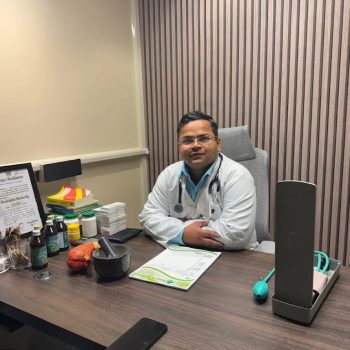
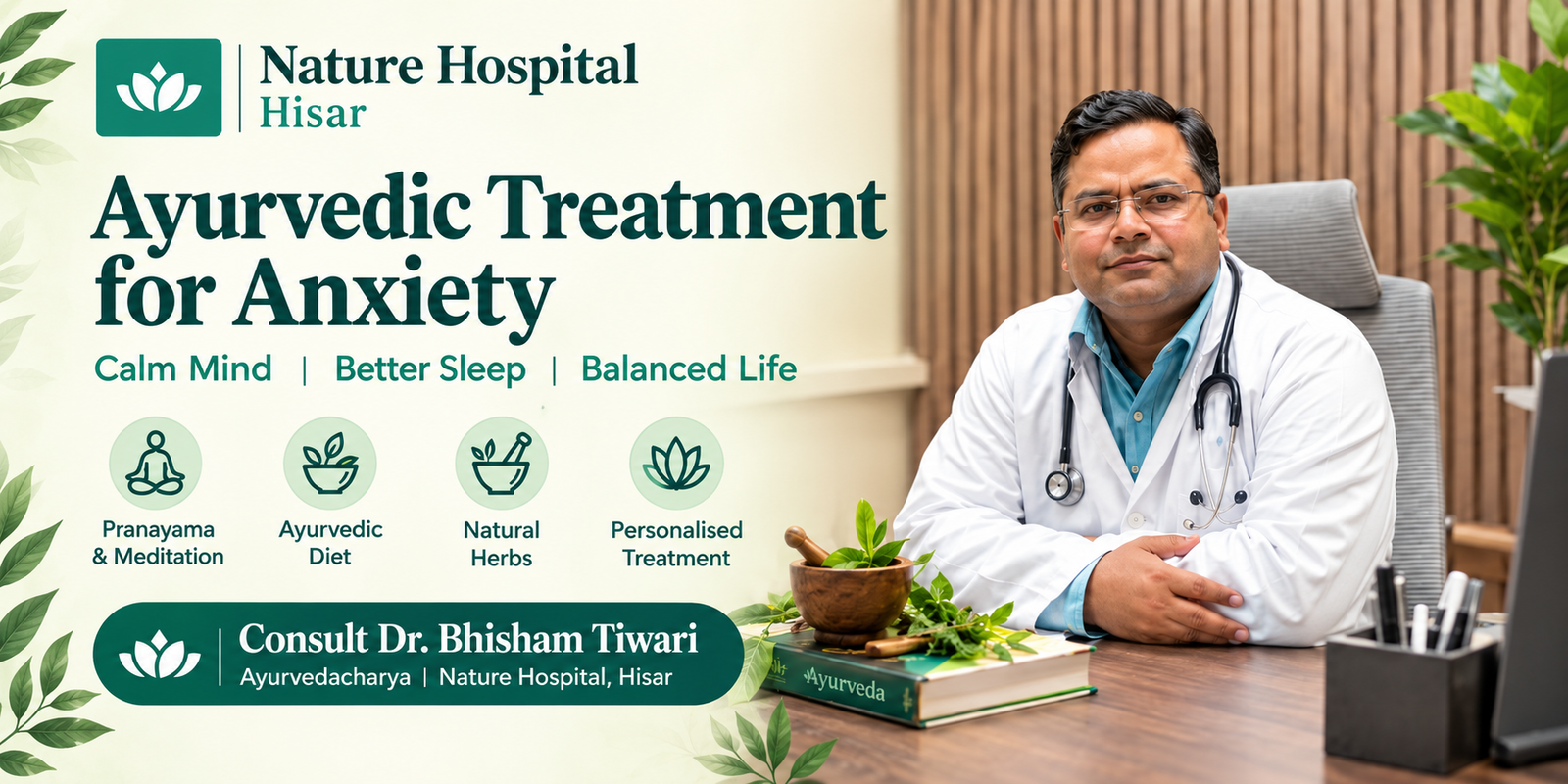
If you are experiencing anxiety or stress and would like to discuss supportive care options, you can contact Nature Hospital, Hisar, for information about consultation. Dr. Bhisham Tiwari (Ayurvedacharya) offers clinic and online consultations. A consultation may include discussing your concerns, health history, daily routine and current treatment, followed by a plan tailored to your circumstances.
Traditional Ayurvedic assessment, including Nadi Parikshan, may be included in the consultation approach. It is important to understand that such an assessment does not replace appropriate medical or mental health evaluation. If anxiety symptoms are persistent, severe or affecting daily functioning, professional mental health support may be necessary. Any herbal product or medicine should be discussed in the context of your medical history and current prescriptions.
Online consultation fees and availability may change, so confirm the current fee and appointment details directly with the hospital before booking. Do not delay emergency care for an online or routine appointment.
- Hospital: Nature Hospital, Hisar
- Address: 32, Rama Complex, Parijat Chowk, Hisar, Haryana 125001
- Phone / WhatsApp: +91 98126 95495
- Listed timings: Monday to Saturday, 9:00 am to 7:00 pm; Sunday closed. Please confirm before visiting.
- Mental wellbeing information: Explore mental wellbeing treatment information
- Appointments and enquiries: Contact Nature Hospital
When contacting a healthcare provider, share your symptoms honestly, mention any prescribed medicines or supplements, and ask questions about benefits, risks, expected follow-up and alternative options. Your care should be based on your individual needs, and no single treatment method is suitable for everyone.
Conclusion: Build Calmness Through Small, Sustainable Steps
Looking for Ayurvedic treatment for anxiety often reflects a wish to feel calmer and regain control of everyday life. Ayurveda offers a traditional mind-body perspective and encourages regular routines, appropriate nourishment, rest and practices intended to settle the mind. Gentle pranayama, grounding, balanced meals, movement, social connection and better sleep habits may support wellbeing for some people.
At the same time, anxiety is a real health concern, not simply a failure to relax. Herbs can have side effects and interactions, and traditional practices should not be treated as a guaranteed cure. If worry persists, causes panic, leads to avoidance or interferes with daily life, speak with a qualified healthcare or mental health professional. Psychological therapy and medication can be effective options when appropriate, and complementary practices may be discussed as part of a coordinated plan.
Start with one manageable change, observe how it affects you and seek support when you need it. Progress does not require perfection. A safe, individualised plan that respects both your preferences and your health needs is more useful than a promise of a quick fix.
Medical Disclaimer
This article is for general educational information only. It is not a substitute for professional medical advice, diagnosis or treatment. The traditional Ayurvedic concepts described here are not equivalent to a medical diagnosis, and the evidence for individual herbs and practices varies. Always consult a qualified healthcare professional about symptoms, medicines, supplements and treatment choices. Do not stop or change prescribed medication without medical advice. If you may harm yourself or cannot keep yourself safe, seek immediate help; in India, Tele-MANAS is available at 14416, and emergencies require local emergency services or the nearest hospital. Individual results may vary.