The thyroid is a small, but you can cure it by eating right food , thyroid diet is very effective ,thyroid is butterfly-shaped gland at the front of your neck, but it has an important role in your overall health. It produces hormones that help regulate how your body uses energy and supports several functions, including body temperature, heart rate, digestion and metabolism. When the thyroid gland produces too little hormone, the condition is called hypothyroidism. When it produces too much, it is called hyperthyroidism.
Thyroid problems can affect people of different ages. Depending on the condition, a person may notice tiredness, changes in weight, hair fall, constipation, changes in mood, sensitivity to cold or heat, or changes in menstrual periods. These symptoms can also occur for other reasons, so they should not be used to diagnose a thyroid disorder by themselves.
A balanced diet can support general health when you are living with a thyroid condition. However, no single food or diet can cure a thyroid disorder. Medical assessment, appropriate tests and treatment prescribed by a qualified clinician remain central to thyroid care. This guide focuses mainly on everyday diet choices for people with hypothyroidism, while also explaining important precautions that apply to thyroid health more broadly.
Can Diet Cure Thyroid Problems?
Diet alone cannot reliably cure hypothyroidism, hyperthyroidism or other thyroid disorders. If your doctor has prescribed thyroid medicine, do not stop it, reduce the dose or replace it with a supplement or herbal product without medical advice.
A well-planned eating pattern can still be useful. It can provide the nutrients your body needs, support regular bowel movements, help maintain a healthy weight and make it easier to sustain energy throughout the day. The best approach is usually a varied diet with vegetables, fruit, protein-rich foods, whole grains, healthy fats and enough fluids.
There is no universal “thyroid diet” that suits everyone. Your needs may depend on your diagnosis, test results, medicines, age, pregnancy status, other health conditions and food preferences. Ask your clinician or a registered dietitian for individual advice if you are unsure what is appropriate for you.
Foods That Support Thyroid Health
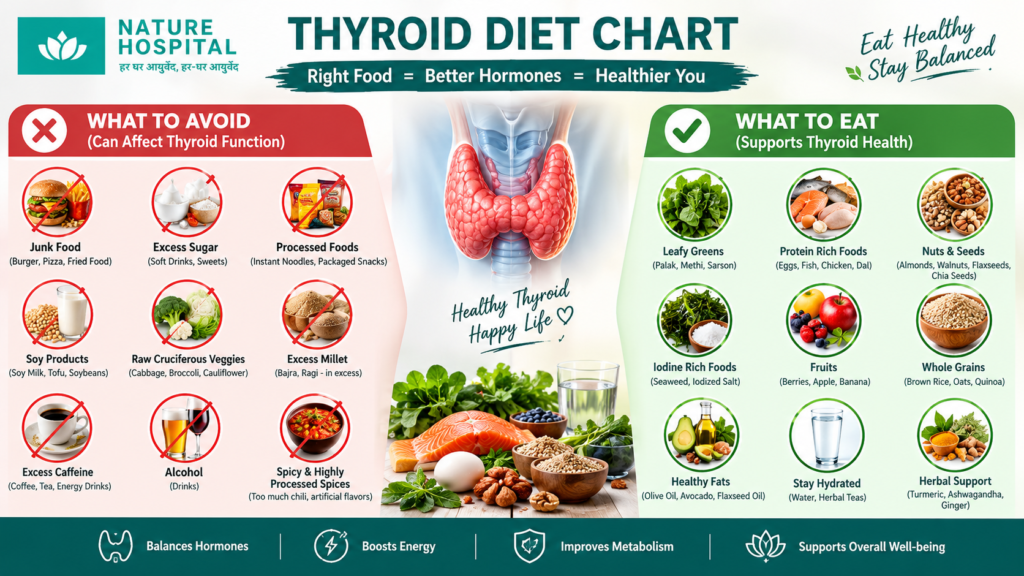
Rather than relying on one so-called superfood, aim for a balanced diet that provides a range of nutrients. The foods below can form part of an ordinary healthy eating pattern and maintain your thyroid diet.
1. Use Iodised Salt in Moderation
Iodine is needed by the thyroid gland to make thyroid hormones. Inadequate iodine intake can contribute to thyroid problems, but excessive iodine can also disturb thyroid function in some people. For most households, using iodised salt in normal amounts is a practical way to obtain iodine. This does not mean that you should add extra salt to your meals or take high-dose iodine supplements.
People with a diagnosed thyroid condition should speak with their clinician before using iodine drops, kelp products or “thyroid support” supplements, as these can contain large or unpredictable amounts of iodine.
2. Include Selenium-Rich Foods
Selenium is a trace mineral involved in processes that help protect cells and support thyroid hormone metabolism. Food sources include eggs, fish, meat, whole grains and some seeds and nuts. Brazil nuts can contain particularly high amounts, and the amount varies considerably from nut to nut, so avoid eating large quantities as a daily treatment strategy.
Most people should aim to meet their nutrient needs through a varied diet rather than starting selenium supplements on their own. Too much selenium can be harmful.
3. Eat Zinc-Containing Foods
Zinc supports many normal body functions. Sources include pulses, beans, chickpeas, pumpkin seeds, nuts, whole grains, dairy products, eggs and meat. Including a variety of these foods can help support overall nutrition. A supplement is not automatically necessary just because you have a thyroid condition; discuss suspected deficiencies with a healthcare professional.
4. Add Protein to Regular Meals
Protein helps maintain muscle and supports the body’s normal repair processes. Suitable choices may include dal, rajma, chana, sprouts, curd, paneer, eggs, fish, chicken, tofu and other foods that fit your dietary preferences. Try to include a source of protein at meals rather than relying mainly on refined carbohydrates or snack foods.
If you are trying to manage weight while living with hypothyroidism, regular balanced meals and realistic activity goals are generally more sustainable than crash diets or severe food restrictions.
5. Eat a Variety of Fruits and Vegetables
Fruits and vegetables provide fibre, vitamins, minerals and other beneficial plant compounds. Choose a range of colours and types across the week. Options such as apples, oranges, guava, berries when available, carrots, leafy greens, beans, gourds and other seasonal produce can all fit into a balanced diet.
There is no need to avoid all vegetables because you have a thyroid problem. Cooking certain vegetables can reduce compounds that may affect iodine use when consumed in very large amounts, and normal portions of cooked vegetables are generally suitable for most people.
6. Choose Whole Grains and Healthy Fats
Roti, oats, brown rice, millets and other grains can be part of a balanced eating pattern. Choose whole-grain options regularly when practical, and keep portions suited to your energy needs. Nuts, seeds and modest amounts of oils or ghee can contribute fats to meals. No single oil or fat is a treatment for thyroid disease, so variety and moderation matter.
7. Drink Enough Water
Some people with hypothyroidism experience constipation. Drinking fluids throughout the day, eating fibre-rich foods and staying physically active may help support regular bowel movements. If constipation is persistent, severe or accompanied by other concerning symptoms, seek medical advice rather than assuming it is caused only by the thyroid.
Foods to Limit or Eat Mindfully
Most people do not need a long list of banned foods. The aim is to avoid excess, maintain a balanced pattern and take medicines correctly.
Raw Cruciferous Vegetables in Very Large Amounts
Cabbage, cauliflower, broccoli, kale and radish belong to a group of vegetables that contain compounds sometimes described as goitrogens. Very large amounts, particularly when eaten raw in the context of low iodine intake, may affect thyroid function. Cooking reduces the activity of some of these compounds. Normal servings of cooked cabbage, cauliflower and similar vegetables are generally fine for most people with thyroid disorders.
Soy Foods and Thyroid Medicine Timing
Soy foods such as soy milk, tofu and soy chunks can be part of a balanced diet. They do not need to be automatically excluded by everyone with thyroid disease. However, soy may affect the absorption of levothyroxine when consumed close to the time you take your medicine. Follow the medicine instructions provided by your doctor or pharmacist and keep your routine consistent.
Highly Processed Foods and Sugary Drinks
Frequent intake of sugary drinks, deep-fried snacks and highly processed foods can make it harder to meet nutritional needs and manage weight. These foods do not directly “switch off” the thyroid, but relying on them too often may displace more nutrient-rich choices. Enjoy them occasionally if appropriate for you, while building most meals around minimally processed foods.
Excess Caffeine and Alcohol
Large amounts of caffeine may affect sleep, anxiety or palpitations in some people, particularly those with hyperthyroidism. Alcohol can also affect sleep and general health. Your tolerance and medical circumstances matter, so discuss specific restrictions with your clinician if you have symptoms or take medicines that may interact with these substances.
Be Careful With “Thyroid Support” Supplements
Supplements marketed for thyroid health may contain iodine, selenium, herbs or other ingredients in amounts that are not suitable for everyone. “Natural” does not automatically mean safe, and some products may interact with prescribed medicines or affect test results. Tell your doctor about all supplements, powders and herbal products you use before starting something new.
How to Take Thyroid Medicine Correctly
If you have hypothyroidism and have been prescribed levothyroxine, taking it consistently helps your care team interpret test results and adjust the dose when needed. Follow the exact instructions on your prescription, because recommendations may vary based on your medicine and circumstances.
- Take it as directed: levothyroxine is commonly taken with water on an empty stomach, around 30 to 60 minutes before breakfast.
- Keep supplements separate: calcium and iron supplements can interfere with absorption. A gap of about four hours is commonly advised, but follow your clinician’s or pharmacist’s instructions.
- Be consistent with tea and coffee: taking coffee or tea too soon after the tablet may reduce absorption for some people. Ask your clinician how to time your usual morning routine.
- Do not change the dose yourself: symptoms alone cannot tell you whether the dose is too high or too low.
- Attend recommended blood tests: TSH testing, and sometimes T4 or other tests, helps your clinician assess whether treatment is working.
If you miss a dose, are pregnant or planning pregnancy, change brands, or start a new medicine, ask your doctor or pharmacist what to do. Do not double doses unless you have been specifically instructed to do so.
Understanding Thyroid Health From an Ayurvedic Perspective
In Ayurveda, swelling in the neck region has historically been described using the term Galaganda, sometimes referred to as “Gadud” in Hindi. Ayurvedic explanations may discuss concepts such as kapha and vata, digestion (agni) and ama. These are traditional concepts and should not be treated as a direct substitute for modern thyroid diagnosis or blood testing.
People interested in Ayurvedic care should consult a qualified practitioner and disclose their thyroid diagnosis, test results and every medicine or supplement they take. Herbal formulations can have side effects, vary in quality and interact with other treatments. Do not begin an herbal thyroid remedy on your own, and do not stop prescribed thyroid medicine in favour of an alternative treatment.
Neck swelling can have different causes, including thyroid enlargement and conditions unrelated to the thyroid. A clinician should assess a new or growing swelling rather than relying on diet or traditional treatment alone.
Daily Lifestyle Tips for People With Thyroid Problems
Healthy routines can support general wellbeing alongside the treatment plan recommended by your doctor. They do not replace thyroid medicine when it is needed.
- Move regularly: aim for an activity routine that suits your current fitness and health. Walking, cycling, yoga and strength exercises may all be options. Start gradually if you have been inactive or feel unusually tired.
- Protect your sleep: many adults do well with around seven to nine hours of sleep, though individual needs vary. A regular sleep and wake time can help.
- Manage stress: breathing exercises, meditation, relaxing hobbies and social support may help with stress. They do not directly cure a thyroid disorder, but they can support wellbeing.
- Set realistic weight goals: hypothyroidism may contribute to modest weight gain, but weight is also influenced by food intake, activity, sleep, medicines and other health conditions. Avoid extreme diets.
- Keep follow-up appointments: thyroid hormone levels and medicine needs can change. Regular follow-up allows your clinician to review symptoms, tests and treatment.
- Tell your clinician about changes: new symptoms, pregnancy, major diet changes and new medicines or supplements may affect your care plan.
You may also find these related resources helpful: Ayurvedic remedies for anxiety and stress and an Ayurvedic daily routine for weight management.
When Should You See a Doctor for Thyroid Symptoms?
Consider arranging a medical assessment if you experience unexplained fatigue, weight changes, hair fall, constipation, unusual sensitivity to cold or heat, changes in your menstrual cycle, persistent palpitations, or swelling at the front of your neck. These symptoms can have several causes, and a clinician can decide whether thyroid testing is appropriate.
A TSH blood test is commonly used to assess thyroid function. Depending on your symptoms and initial results, your clinician may also recommend free T4, T3 or other investigations. Testing and interpretation should be based on your medical history and clinical assessment.
Seek urgent medical attention if you have difficulty breathing or swallowing, or a rapidly growing neck swelling. Severe symptoms such as chest pain, fainting, confusion or a very fast or irregular heartbeat also need prompt assessment.
Frequently Asked Questions About Thyroid Diet
Can I eat cabbage and cauliflower if I have a thyroid problem?
For most people, yes. Moderate portions are generally fine, especially when cooked. You usually do not need to eliminate these vegetables completely. If your clinician has given you specific dietary advice, follow that guidance.
Are rice and wheat bad for the thyroid?
No. Rice, roti and other grains can fit into a balanced diet. Whole grains can provide fibre, but the right choice and portion depend on your overall nutritional needs and any other medical conditions.
Can I take Ayurvedic medicine with levothyroxine?
Do not combine medicines or herbal products without professional advice. Tell your doctor and qualified Ayurvedic practitioner about everything you take so they can assess possible interactions. Never stop levothyroxine on your own.
Does hypothyroidism cause weight gain?
Hypothyroidism can contribute to weight gain, often modestly, and may make weight management more difficult for some people. Weight is influenced by many factors, so persistent or rapid changes should be discussed with a clinician.
How often should I check my TSH level?
The timing depends on your diagnosis, medicine dose, symptoms and clinical circumstances. Testing is often more frequent after treatment starts or a dose changes. Once levels are stable, your doctor may recommend less frequent checks, commonly around every 6 to 12 months for some patients. Follow your own clinician’s schedule.
Should I take iodine or selenium supplements for thyroid health?
Not automatically. Both nutrients are needed in appropriate amounts, but excess intake can be harmful and may worsen some thyroid conditions. Ask your clinician whether testing or supplementation is appropriate for you.
Can exercise improve thyroid function?
Regular physical activity supports cardiovascular health, strength, mood and weight management. It does not replace treatment for an underactive or overactive thyroid. Choose activities that are appropriate for your symptoms and fitness level.
What is the best breakfast for hypothyroidism?
There is no single best breakfast for everyone. A balanced option might include oats with nuts and fruit, eggs with whole-grain toast, or dal-based dishes with vegetables. If you take levothyroxine in the morning, follow your prescribed timing and leave the recommended interval before eating or drinking anything other than water.
Consultation at Nature Hospital, Hisar
If you have concerns about thyroid symptoms or neck swelling, arrange an assessment with a qualified healthcare professional. At Nature Hospital, Hisar, Dr. Bhisham Tiwari (Ayurvedacharya) offers clinic and online consultations. After a detailed assessment, a care plan may include discussion of diet, daily routine and appropriate treatment options. Nadi Parikshan may be part of the clinic’s Ayurvedic assessment, but it does not replace indicated thyroid blood tests or other medical investigations.
Learn more about thyroid (Gadud) treatment at Nature Hospital or visit our contact page to enquire about a consultation. Consultation availability, fees and treatment plans should be confirmed directly with the hospital.
- Address: 32, Rama Complex, Parijat Chowk, Hisar, Haryana 125001
- Phone / WhatsApp: +91 98126 95495
- Timings: Monday to Saturday, 9:00 am to 7:00 pm (Sunday closed; please confirm before visiting)
Final Takeaway: Build a Balanced Thyroid-Friendly Routine
A supportive thyroid diet is not about strict food bans or miracle remedies. It is about eating a varied, balanced diet, getting nutrients in appropriate amounts, taking prescribed medicine correctly, staying active, sleeping well and attending follow-up appointments. Most people do not need to eliminate rice, wheat, cabbage or cauliflower solely because they have a thyroid condition.
If you suspect a thyroid problem, get appropriate medical advice and testing instead of trying to diagnose yourself from symptoms. Work with your healthcare professional to create a plan that fits your diagnosis, medicine schedule and everyday life.
Medical disclaimer: This article is for general education and is not a substitute for professional medical advice, diagnosis or treatment. Individual needs and treatment plans vary. Always consult a qualified healthcare professional about your condition, and do not stop or change prescribed medicine without medical advice.