Ayurvedic treatment for anxiety isn’t about suppressing the feeling. It’s about understanding why the nervous system got to this state, and creating the conditions for it to come back to itself.
Anxiety isn’t just a mental health issue in Ayurveda. It’s a physiological imbalance, primarily of Vata dosha, the energy that governs movement, the nervous system, and the mind. When Vata is aggravated by chronic stress, irregular routines, poor sleep, or sustained fear, the mind loses its ground.
Thoughts race. Rest doesn’t restore. The body stays on low-grade alert even when there’s nothing immediate to be afraid of.
Modern life is remarkably good at aggravating Vata. And ayurvedic treatment for anxiety works so well because it addresses the nervous system, not just the thought patterns that sit on top of it. Here’s what that actually looks like in practice.
How to Reduce Anxiety in Ayurveda?
Ayurveda reduces anxiety by working on the root, which is almost always a dysregulated nervous system, not a character flaw or a thought problem.
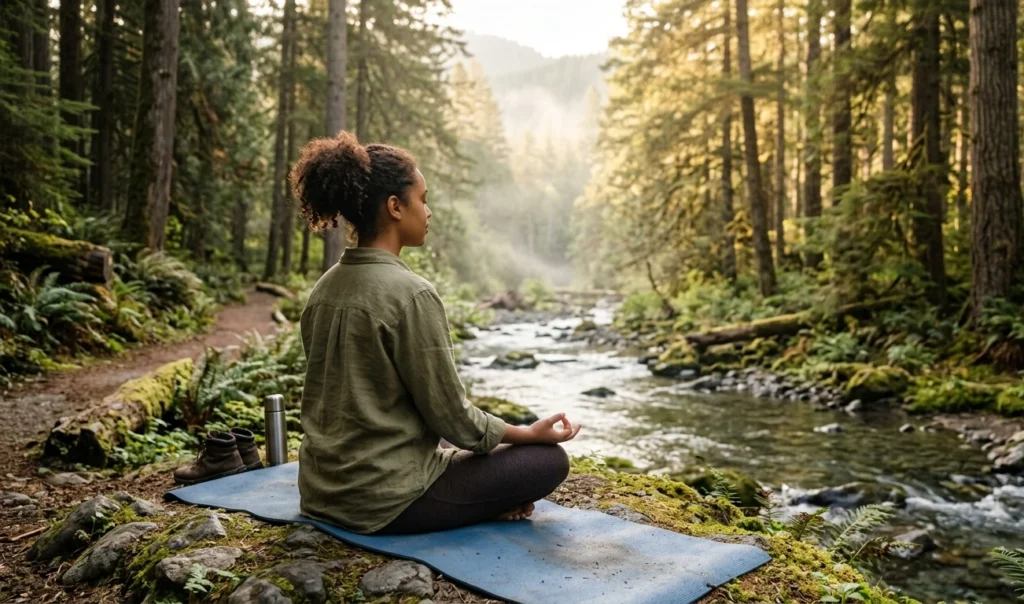
The approach rests on three pillars:
Herbs that calm and rebuild
Not sedate Ayurvedic nervine herbs don’t create dependency or blunt the mind. Brahmi (Bacopa monnieri) is one of the most studied, it supports cognitive function, reduces cortisol, and has a grounding effect on an overactive nervous system.
Ashwagandha works on the adrenal axis, reducing the stress hormone response that keeps anxiety cycling. Shankhpushpi is deeply calming, particularly useful for anxiety that shows up as racing thoughts and disrupted sleep.
Therapies that bypass the thinking mind
This is where ayurvedic treatment for anxiety does something that most interventions can’t. Shirodhara, a therapy where warm medicated oil is poured in a continuous stream on the forehead, produces a neurological calming effect that is measurable and often described by patients as unlike anything else they’ve experienced.
It’s not relaxation in a passive sense
It’s a deep reset of the nervous system. Abhyanga (full-body warm oil massage with calming oils) works similarly, through the skin’s nervous connections, it sends direct signals of safety to the body.
Routine as medicine
Ayurveda takes daily structure seriously, not as rigidity, but as a stabilizing force for Vata. Consistent wake and sleep times, warm meals at regular hours, a morning routine that doesn’t begin with a screen, these aren’t lifestyle tips.
In an Ayurvedic framework, they are active interventions for a nervous system that has lost its rhythm.
What makes this approach distinct is that it doesn’t treat anxiety as a problem to eliminate. It treats the body as a system that has lost its ground, and works to restore that ground, layer by layer.
How to Deal with Anxiety Without Medication?
This is a question a lot of people are sitting with. And it deserves a real answer, not a dismissal in either direction.
Medication has its place. For severe anxiety disorders, it can be a necessary bridge. But for the vast majority of people, those dealing with chronic low-grade anxiety, situational anxiety, or anxiety that arrived alongside lifestyle and stress, ayurvedic treatment for anxiety offers a genuine, evidence-supported alternative that doesn’t create dependency and works on the cause rather than the symptoms.
Here’s what actually helps without medication:
- Breathwork (Pranayama). Not a soft suggestion, a physiological intervention. Anulom Vilom (alternate nostril breathing) directly activates the parasympathetic nervous system and reduces cortisol within minutes of practice. Done daily for 10–15 minutes, the cumulative effect on baseline anxiety is significant. Brahmari (humming breath) is particularly effective for anxiety that shows up as racing thoughts or an inability to switch off.
- Dietary changes. An anxious gut and an anxious mind are often the same problem. Ayurveda links gut health directly to mental health, long before modern research confirmed the gut-brain axis. Reducing caffeine, skipping meals less, eating warm and grounding foods (cooked grains, root vegetables, warm milk with nutmeg at night) all settle Vata and reduce anxiety load.
- Sleep repair. Anxiety and poor sleep feed each other relentlessly. Establishing a genuine wind-down routine, no screens after 9pm, warm oil foot massage, a small warm drink, creates the neurological conditions for the nervous system to actually let go at night.
- Consistent herbal support. Ashwagandha taken consistently over 8–12 weeks produces measurable reductions in anxiety scores. A randomized controlled trial published on NCBI confirmed significant improvement in anxiety and stress with Ashwagandha supplementation.
The key word in all of this is consistent. Ayurvedic treatment for anxiety isn’t a one-week protocol. It’s a sustained shift, and most people who stick with it for 60–90 days find the results genuinely surprising.
Ayurvedic Herbs That Specifically Help Anxiety
It’s worth naming these clearly, because the herb selection in ayurvedic treatment for anxiety isn’t random, each addresses a different part of how anxiety manifests in the body.
- Brahmi (Bacopa monnieri), the primary nervine herb in Ayurveda. Improves memory and focus, reduces the cognitive fog that comes with chronic anxiety, and gradually calms an overactive mind without sedating it. Works best taken consistently over 6–8 weeks.
- Ashwagandha, the adaptogen. It targets the adrenal-cortisol response directly. If your anxiety feels physical, tight chest, shallow breath, inability to relax even when nothing is happening, Ashwagandha addresses the body-level stress response that drives it.
- Shankhpushpi, particularly good for anxiety that presents as racing thoughts, insomnia, and mental hyperactivity. Has a cooling, settling effect on the mind.
- Jatamansi, less commonly known but deeply effective for anxiety with emotional root causes. Calming to the heart as much as the head. Often used in sleep formulations.
- Vacha (Acorus calamus), used specifically for anxiety accompanied by brain fog, confusion, or disconnection. It’s grounding and clarifying simultaneously.
Dr. Bhisham Tiwari emphasizes that the right herb combination depends on how anxiety is presented, not every anxious person needs the same formulation. A Vata-dominant presentation (scattered, fearful, cold, thin) needs different support than a Pitta-dominant one (irritable, hot, controlling, insomniac).
This is why a proper Ayurvedic consultation matters before self-prescribing.
Daily Practices That Anchor the Nervous System
Ayurvedic treatment for anxiety isn’t only what you take. It’s what you do, every day, in the small spaces between everything else.
A few practices that Nature Hospital recommends consistently:

- Abhyanga (self-oil massage) in the morning
Warm sesame oil or Brahmi oil applied to the body before a bath. Five minutes. It sounds simple, but the neurological effect of warm oil on skin is significant, it signals safety to the nervous system before the day has had a chance to wind it up. - Tongue scraping and warm water first thing
Clearing the digestive channel in the morning improves gut health, which improves mood and reduces anxiety through the gut-brain axis. - Midday as the anchor meal
Ayurveda recommends the largest meal at noon when digestive fire is strongest. Skipping lunch or eating late is one of the most common Vata-aggravating habits for people with anxiety. - Phone-free first 30 minutes of the morning
Not a wellness trend, a Vata-stability practice. The nervous system needs time to orient before being flooded with information and stimulation. - Warm milk with ashwagandha and nutmeg before bed
An old formulation. Still one of the most effective ways to signal the body that it’s safe to rest.
None of these require a retreat or a dramatic lifestyle overhaul. They require repetition. That’s the whole point of ayurvedic treatment for anxiety, small, consistent inputs that rebuild what chronic stress has eroded.
Conclusion
Anxiety, when it becomes chronic, isn’t a thought problem you can think your way out of. It lives in the body, in the nervous system, the gut, the breath, the sleep, the daily rhythm. Ayurvedic treatment for anxiety works because it meets the problem where it actually lives.
It asks for patience. Real change in the nervous system takes weeks, not days. But the kind of calm that Ayurveda builds, through consistent herbs, therapies, and daily anchors, tends to hold in a way that temporary fixes never quite do.
If you’ve been managing anxiety for a while and feel like you’ve only been treating the surface of it, it may be time to go deeper.
Begin Your Anxiety Recovery at Nature Hospital
If anxiety has been affecting your sleep, focus, or daily quality of life, Nature Hospital’s Ayurvedic Mental Wellness program offers a root-cause approach, personalized to your constitution, your stress patterns, and how anxiety is showing up for you specifically.
Book your consultation at [NatureHospital.in → https://naturehospital.in/
Frequently Asked Questions
Q1: How to stop anxiety thoughts?
Ayurveda addresses racing thoughts through a combination of nervine herbs like Brahmi and Shankhpushpi, daily pranayama practice, and sleep repair. These don’t suppress thoughts, they reduce the nervous system’s hyperactivation so the mind naturally settles. Consistent practice over 4–6 weeks creates a measurable shift.
Q2: How to reduce anxiety and stress together?
Both anxiety and stress share a root in elevated cortisol and Vata imbalance. Ayurvedic treatment for anxiety and stress simultaneously involves Ashwagandha for the adrenal response, Shirodhara for nervous system reset, breathwork for daily regulation, and a stabilizing daily routine that reduces the body’s baseline reactivity over time.
Q3: How long does Ayurvedic treatment for anxiety take to work?
Most people notice improvement in sleep quality and mental clarity within 3–4 weeks. Significant reduction in anxiety symptoms typically follows at the 6–10 week mark with consistent herbal and lifestyle protocols. Deeper nervous system restoration takes 3–4 months of sustained care.
Q4: Is Ayurvedic treatment for anxiety safe alongside conventional medication?
In most cases, yes, but this should always be discussed with a qualified practitioner. Dr. Bhisham Tiwari at Nature Hospital assesses each case individually, and Ayurvedic protocols are adjusted to work alongside existing medication safely, without creating interactions or dependency.
Q5: Can Shirodhara alone help with anxiety?
Shirodhara is one of the most effective single Ayurvedic therapies for anxiety, particularly for anxiety with insomnia, mental agitation, and emotional overwhelm. It works best as part of a broader protocol, but even standalone sessions produce noticeable calming that many patients describe as lasting several days.
Q6: What dietary changes support Ayurvedic anxiety treatment?
Reducing caffeine, eating warm cooked meals at regular times, avoiding skipping meals, limiting raw and cold foods, and adding warm spices like cumin, coriander, and cardamom to daily cooking all reduce Vata and support ayurvedic treatment for anxiety. The gut-mind connection makes dietary support non-negotiable in any serious anxiety protocol.