A sharp, cutting pain every time you pass stool is hard to ignore. Many people dread going to the toilet, delay it, and then end up more constipated than before. If this sounds familiar, you may be dealing with an anal fissure. The good news is that most fissures can be managed well when the cause is understood and the right habits are followed.
In this guide, we explain fissure treatment in Ayurveda in simple language. You will learn what a fissure is, why it happens, how Ayurveda describes it, which foods and habits help, and when you must see a doctor without delay. Whether you are searching for fissure treatment in Ayurveda for yourself or for a family member, this article will give you a clear and practical roadmap.
Please note that this article is meant for education. Every person is different, so a proper examination by a qualified doctor is always the first step.
Table of Contents
- What Is an Anal Fissure?
- Common Symptoms of an Anal Fissure
- Why Does a Fissure Happen? Main Causes
- The Ayurvedic View of Fissure (Parikartika)
- How Fissure Treatment in Ayurveda Works: The Basic Approach
- 9 Essential Home Care Tips for Fissure Treatment in Ayurveda
- Best Foods for Fissure Treatment in Ayurveda
- Herbs and Formulations Used in Fissure Treatment in Ayurveda
- Local Ayurvedic Therapies for Fissure
- Fissure Treatment in Ayurveda vs Modern Medicine
- How Long Does Healing Take?
- Ayurvedic Daily Routine (Dinacharya) to Support Fissure Treatment in Ayurveda
- Yoga and Pranayama That May Help
- The Link Between Stress, Sleep and Fissures
- Seasonal Tips for Fissure Care
- How to Prepare for Your First Consultation
- Warning Signs: When to See a Doctor
- Possible Complications if a Fissure Is Ignored
- How to Prevent Fissures from Coming Back
- Common Myths About Fissure Treatment in Ayurveda
- Special Situations
- Why Choose Nature Hospital for Fissure Care
- Why Patience and Consistency Matter in Fissure Treatment in Ayurveda
- Safe Use of Herbs and Home Remedies
- Putting It All Together: A Simple Seven-Day Starter Plan
- Quick Summary of Fissure Treatment in Ayurveda
- Frequently Asked Questions (FAQ)
- Key Takeaways
- Consult Dr. Bhisham Tiwari at Nature Hospital, Hisar
- Trusted External Resources
What Is an Anal Fissure?
An anal fissure is a small tear or crack in the thin, moist lining of the anal canal. It usually appears at the back of the anal opening, and sometimes at the front. Because this area has many pain-sensing nerves, even a tiny tear can cause severe pain.
Fissures are very common. They can affect infants, young adults, pregnant women and older people. Most are linked with passing a hard or large stool, but other causes also exist.
Acute and chronic fissures
An acute fissure is a fresh tear. It looks like a clean cut, similar to a paper cut, and often heals within a few weeks when stools stay soft.
A chronic fissure is one that lasts for more than six to eight weeks or keeps coming back. In a chronic fissure, the edges become thick, a small skin tag called a sentinel pile may form at the outer end, and the underlying muscle may be visible. These cases need more careful care.
Common Symptoms of an Anal Fissure
The signs of a fissure are quite typical. You may notice one or more of the following:
- Sharp, cutting or burning pain during bowel movements.
- Pain that continues for minutes or even hours after passing stool.
- A thin streak of bright red blood on the stool or on toilet paper.
- Itching or irritation around the anus.
- A visible crack in the skin near the anus.
- A small lump or skin tag near the tear.
- Fear of passing stool, which leads to holding it in and worsening constipation.
Many people confuse a fissure with piles when they first look for fissure treatment in Ayurveda. If you are not sure which one you have, read our detailed guide on piles vs fissure, which explains the differences in pain, bleeding and swelling.
Why Does a Fissure Happen? Main Causes
Understanding the cause is the most important part of any fissure treatment in Ayurveda, because treating only the pain without fixing the cause leads to repeated problems.
Hard stools and constipation
This is the number one cause. A dry, hard stool stretches and tears the delicate lining. People who pass stool only once in two or three days, or who strain a lot, are at higher risk.
Chronic diarrhoea
Frequent loose stools can irritate and inflame the lining, which may lead to a tear. Repeated washing and wiping makes this worse.
Spasm of the anal sphincter
The ring of muscle around the anus, called the internal sphincter, can remain too tight. A tight muscle reduces blood flow to the area, and a tear heals slowly when blood supply is poor. This is why a fissure can turn chronic.
Childbirth and pregnancy
Pressure during pregnancy and delivery, along with constipation, can cause a fissure in women.
Other medical reasons
Less commonly, fissures are linked with inflammatory bowel disease, infections, anal surgery or injury. A fissure that does not sit in the usual position, or that does not heal despite proper care, should be examined for such causes.
Lifestyle triggers
A low-fibre diet, low water intake, long hours of sitting, ignoring the urge to pass stool, excess tea and coffee, spicy and fried food, and lack of exercise all add to the risk.
The Ayurvedic View of Fissure (Parikartika)
In Ayurveda, a fissure is closely compared to a condition called Parikartika. The word describes a cutting, tearing pain in the anal region. Classical texts describe it as a complication that arises from improper bowel habits, wrong diet, or the use of strong purgatives and enemas without proper guidance.
According to Ayurvedic thinking, the main imbalance is of vata dosha, which governs movement and dryness, together with pitta dosha, which brings heat, burning and inflammation. Vata makes the stool dry and hard. Pitta adds sharp burning pain and sometimes bleeding. When digestion (agni) is weak and constipation (vibandha) becomes a habit, the tissue in the anal area becomes dry, fragile and easily injured.
This is why fissure treatment in Ayurveda does not stop at a local application. It looks at digestion, bowel habits, diet, sleep, stress and daily routine as a whole. The aim is to soften the stool, calm vata and pitta, support healing of the tissue and prevent the problem from returning.
How Fissure Treatment in Ayurveda Works: The Basic Approach
A well-planned approach to fissure treatment in Ayurveda usually rests on four pillars.
1. Correct digestion and bowel movement
The first goal is a soft, regular, effortless stool every morning. Without this, no ointment or medicine can give lasting relief. Ayurvedic practitioners may suggest mild herbal formulations that support gentle bowel movement, along with dietary changes.
2. Calm the aggravated doshas
Foods and habits that reduce dryness and excess heat are advised. This means oily but light foods in moderation, cooling foods, and avoiding very spicy or fried items.
3. Soothe and heal the local tissue
Warm sitz baths, medicated oils and herbal ointments are traditionally used to soothe the area, relax the muscle and support healing.
4. Prevent recurrence
Healthy bowel habits, fibre, fluids, physical activity and stress management keep the problem from coming back. In our experience, this fourth step decides whether a person stays free from trouble in the long run.
9 Essential Home Care Tips for Fissure Treatment in Ayurveda
The following tips are general guidance. They support, and do not replace, a personal plan from your doctor.
Tip 1: Drink enough water and warm fluids
Water is the simplest stool softener. Aim for eight to ten glasses of water a day unless your doctor has advised a fluid restriction. Begin the morning with one or two glasses of lukewarm water. Warm fluids such as thin soups, coconut water and buttermilk also help.
Tip 2: Increase fibre slowly
Most adults need around 25 to 30 grams of fibre a day. Include whole wheat roti, daliya, oats, brown rice, millets, vegetables, fruits and pulses. Increase fibre gradually over one to two weeks, because a sudden jump can cause gas and bloating. Always drink more water when you eat more fibre.
Tip 3: Take a warm sitz bath
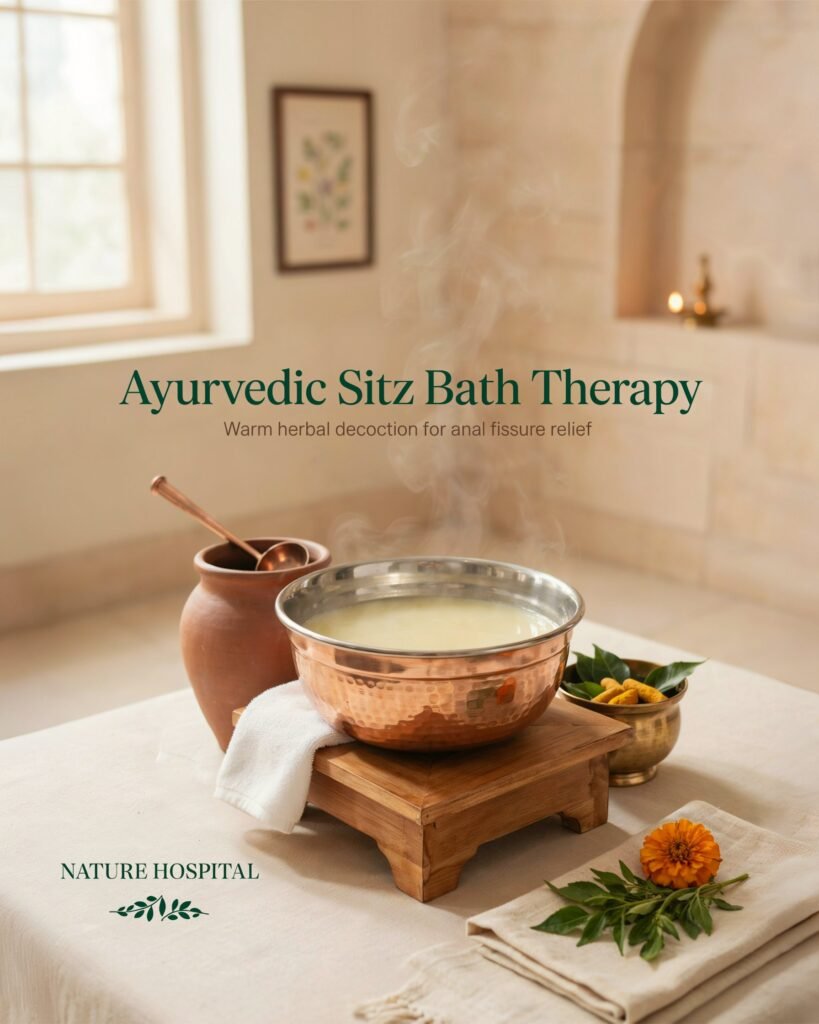
Sit in a tub or large basin of warm water for 10 to 15 minutes, two or three times a day, and especially after passing stool. The warmth relaxes the tight sphincter muscle, improves blood flow and eases pain. A sitz bath is one of the most widely recommended steps in fissure treatment in Ayurveda and in modern medicine alike. Pat the area dry gently afterwards. Do not rub.
Tip 4: Use ghee or oil with meals, in moderation
In Ayurveda, a small quantity of cow ghee or healthy oil in food is considered helpful for dryness and for easy stool movement. One teaspoon of ghee with warm food is a common suggestion. People who are overweight, who have high cholesterol or fatty liver should check the quantity with their doctor first.
Tip 5: Add soaked raisins, figs and prunes
Soak six to eight raisins or two dried figs overnight and eat them in the morning along with the soaking water. Prunes are also useful for softening stools. These simple foods are gentle and suit most people.
Tip 6: Respond to the urge immediately
Holding back the urge makes stool harder and drier. Visit the toilet as soon as you feel the need. Try to build a fixed morning routine so that the bowel opens at a regular time.
Tip 7: Do not strain and do not sit too long
Do not push hard. Sit for a few minutes only, and avoid using your mobile phone in the toilet. If nothing comes, get up, walk a little and try again later. Using a small footstool to raise the knees above the hips can make passing stool easier.
Tip 8: Stay active
Walk for at least 30 minutes every day. Gentle yoga postures such as Pawanmuktasana, Vajrasana after meals, Malasana and Bhujangasana may support digestion. If you sit for long hours at work, stand up and walk for a few minutes every hour.
Tip 9: Keep the area clean, soft and dry
After passing stool, wash with plain lukewarm water. Avoid harsh soaps, scented wipes and rough tissue. Pat dry with a soft cloth. Wear loose cotton underwear.
Best Foods for Fissure Treatment in Ayurveda
Diet is the heart of fissure treatment in Ayurveda. The best foods are warm, freshly cooked, soft and rich in fibre. The following list is a practical guide.
Foods to include
- Whole grains: whole wheat roti, daliya, oats, brown rice, bajra and jowar.
- Vegetables: bottle gourd (lauki), ridge gourd (tori), spinach, pumpkin, carrot, beetroot and other leafy greens, cooked soft.
- Fruits: papaya, ripe banana, apple, pear, guava, orange, figs and soaked raisins.
- Pulses: moong dal and masoor dal, cooked well with mild spices.
- Dairy: fresh curd and buttermilk with a pinch of roasted cumin, if they suit you.
- Fluids: water, coconut water, thin vegetable soups and fresh fruit juices without added sugar.
- Healthy fats: a little ghee, and soaked almonds or walnuts in small amounts.
Foods to avoid or limit
- Very spicy food, chilli-heavy gravies and pickles, which can burn and irritate the sore area.
- Deep-fried snacks such as samosa, pakora, puri and chips.
- Refined flour products such as white bread, noodles, pizza, biscuits and bakery items.
- Excess red meat, heavy non-vegetarian food and processed meat.
- Too much tea, coffee, cola and alcohol, which dehydrate the body.
- Packaged, fast and junk food that is low in fibre.
- Raw or unripe bananas and excess cheese, if they make you constipated.
A simple one-day diet example
- Early morning: two glasses of lukewarm water, with soaked raisins or figs.
- Breakfast: vegetable daliya or oats with a ripe banana or papaya.
- Mid-morning: a seasonal fruit or a glass of coconut water.
- Lunch: two whole wheat rotis, lauki or spinach sabzi, moong dal, salad and a glass of buttermilk.
- Evening: a fruit, or a few soaked almonds with a cup of weak herbal tea.
- Dinner: an early, light meal such as moong dal khichdi with a teaspoon of ghee, or vegetable soup with one roti.
- Bedtime: a glass of warm water or warm milk, if it suits you.
This is only a general example. Your digestion, weight, other illnesses and medicines will decide your exact plan. You can also read our article on the piles diet, because the foods that suit piles are also very helpful in a fissure.
Herbs and Formulations Used in Fissure Treatment in Ayurveda
Ayurvedic physicians use a number of herbs and preparations for constipation, pain and tissue healing. The names below are shared for information. Please do not start any medicine on your own, because the right choice and dose depend on your body type, digestion and condition.
- Triphala: a combination of three fruits (amalaki, bibhitaki and haritaki), traditionally used to support regular bowel movement and digestion.
- Haritaki: a single herb traditionally used for gentle bowel regulation.
- Isabgol (psyllium husk): a natural fibre supplement that adds bulk to stool. It should be taken with plenty of water.
- Jatyadi taila: a medicated oil that is traditionally applied locally for wounds and tears.
- Yashtimadhu (liquorice): traditionally used for its soothing and healing qualities.
- Aloe vera: used in some local applications for its cooling effect.
- Castor oil (eranda taila): sometimes used under supervision as a mild laxative. It must not be taken casually, especially in pregnancy.
The scientific evidence for several of these herbs is still limited, and quality varies from product to product. Herbal medicines can interact with other drugs, so always tell your doctor about everything you take.
Local Ayurvedic Therapies for Fissure
Along with internal care, local therapies are often a part of fissure treatment in Ayurveda. Your practitioner may suggest one or more of these depending on whether the fissure is acute or chronic.
Sitz bath with herbal decoctions
Warm water with a decoction of herbs such as triphala is used in some clinics. It cleanses the area gently and may reduce irritation.
Application of medicated oils and ointments
A thin layer of a prescribed oil or ointment, applied with a clean finger or cotton, can keep the area soft and protect it during bowel movements.
Basti (medicated enema)
In classical Ayurveda, Basti is considered the main therapy for vata disorders and constipation. Mild, oil-based enemas are used by trained practitioners in suitable cases. This should never be done at home without supervision.
Kshar karma and other procedures
For chronic fissures that do not respond to conservative care, some Ayurvedic surgeons use minor procedures. These need a proper examination and should be done only by an experienced doctor.
Fissure Treatment in Ayurveda vs Modern Medicine
Many people ask whether they should choose Ayurveda or modern treatment. In reality, the best approach is often to understand the strengths of both and decide with a qualified doctor.
When comparing fissure treatment in Ayurveda with modern care, note that modern medicine offers stool softeners, pain-relieving creams, muscle-relaxing ointments and, for stubborn chronic cases, procedures that reduce sphincter tightness. These can be very effective and quick for severe pain.
Ayurveda focuses on the root causes: digestion, constipation, diet, routine and stress. When these are corrected, the tendency to develop fissures reduces. Many people find that combining healthy Ayurvedic habits with timely medical advice gives the most balanced care.
What matters is that the diagnosis is confirmed first, and that no treatment is stopped or started without informing your doctor. If you have already been prescribed medicine, please continue it until your doctor advises otherwise.
How Long Does Healing Take?
With fissure treatment in Ayurveda, most acute fissures start to improve within a few days of softer stools and regular sitz baths, and they often heal within four to six weeks. Chronic fissures take longer and may need a longer plan.
Healing time depends on many things: how long you have had the fissure, how constipated you are, how well you follow the diet, your age, other health conditions and whether the sphincter muscle is tight. Because of these factors, results vary from person to person. Please be patient and consistent. Stopping the diet as soon as the pain reduces is one of the most common reasons why the fissure returns.
Ayurvedic Daily Routine (Dinacharya) to Support Fissure Treatment in Ayurveda
Ayurveda places great value on a regular daily routine, called Dinacharya. For a person with a fissure, a steady routine is not a luxury. It is a part of the treatment itself. Here is a simple routine that fits most households.
Morning
- Wake up at a fixed time, ideally before 6:30 am.
- Drink one or two glasses of lukewarm water slowly while sitting.
- Visit the toilet at a regular time and do not rush or strain.
- Take a warm sitz bath after passing stool, then pat the area dry.
- Have a light, warm breakfast with fruit or soaked raisins.
Daytime
- Eat lunch as your main meal, because digestion is believed to be strongest around midday.
- Sip water through the day instead of drinking a large quantity at once.
- Take a short walk after meals, and get up from your seat every hour.
Evening and night
- Eat an early and light dinner at least two to three hours before bed.
- Avoid late-night snacks, fried food and heavy sweets.
- Switch off screens early, and sleep by 10:00 to 10:30 pm.
A fixed routine trains the body to open the bowel at a predictable time. Over a few weeks, this single change can reduce straining dramatically, and it supports every other step of fissure treatment in Ayurveda.
Yoga and Pranayama That May Help
Gentle movement improves digestion and relaxes the pelvic muscles. These practices are commonly suggested, but you should learn them from a trained teacher, and avoid any posture that causes pain.
- Pawanmuktasana (wind-relieving pose): helps release trapped gas and supports bowel movement.
- Malasana (garland or squat pose): opens the pelvic region and mimics the natural squatting position for passing stool.
- Vajrasana: sitting on the heels for a few minutes after meals supports digestion.
- Bhujangasana (cobra pose): gently stimulates the abdominal organs.
- Anulom Vilom and Bhramari pranayama: calm the nervous system, which is useful because stress and tension can tighten the pelvic floor.
Avoid heavy abdominal exercises, deep forward bends with strain and heavy weight lifting while the fissure is painful. Start slowly, and stop if you feel any sharp pain. Combining yoga with a good diet makes fissure treatment in Ayurveda more complete and more comfortable.
The Link Between Stress, Sleep and Fissures
Many patients do not realise that mental stress and poor sleep have a direct effect on the gut. When you are anxious, digestion slows down in some people and speeds up in others. This can lead to constipation or loose stools, both of which injure the anal lining.
Pain itself creates a cycle. You fear the pain, so you avoid the toilet. Avoiding the toilet makes the stool harder. The harder stool causes more pain. Breaking this cycle needs both physical care and a calmer mind.
Simple habits help: ten minutes of slow breathing every morning, a fixed bedtime, limiting caffeine, and talking about your worries with someone you trust. If anxiety or poor sleep is severe, please speak to a doctor.
Seasonal Tips for Fissure Care
Ayurveda teaches that the body responds to seasons, and the same applies to bowel health.
- Summer: dehydration is common, so drink more water, coconut water and buttermilk. Avoid excess spicy food, which adds heat.
- Monsoon: digestion is weaker, and infections are common. Eat freshly cooked, warm and light food, and avoid street food.
- Winter: dryness and cold can worsen vata. Warm soups, a little ghee and regular exercise are helpful, but avoid overeating heavy food.
Adjusting your diet with the season is a small step, yet it makes fissure treatment in Ayurveda more effective over the year.
How to Prepare for Your First Consultation
A little preparation helps your doctor understand your problem quickly and plan the right care. Before you visit, think about the following points:
- When did the pain and bleeding start, and how often do they occur?
- How many times do you pass stool each day, and is it hard, loose or normal?
- What do you usually eat and drink in a day?
- Have you used any ointments, laxatives or herbal medicines, and for how long?
- Do you have any other illness such as diabetes, thyroid disease or high blood pressure, and which medicines do you take?
- Carry old prescriptions and reports if you have them.
Be open about your symptoms. Doctors see anal problems every day, and a frank discussion leads to the right diagnosis and a better plan.
Warning Signs: When to See a Doctor
Home care and fissure treatment in Ayurveda work for many mild cases, but there are situations where you should see a doctor promptly:
- Pain that is severe or increasing.
- Bleeding that is heavy, frequent, or lasts for more than a week.
- Black or tarry stools, or blood mixed with the stool.
- Pus, a foul discharge, swelling or fever, which may point to an abscess or fistula.
- A fissure that has not healed after six to eight weeks.
- A change in bowel habit lasting several weeks, or unexplained weight loss.
- Blood in the stool after the age of 40, which should always be examined without delay.
- A fissure in an infant or child that does not improve with simple measures.
Bleeding from the back passage should never be assumed to be a fissure or piles without an examination, because some serious conditions can look similar.
Possible Complications if a Fissure Is Ignored
A neglected fissure can become chronic. A chronic fissure can cause constant pain, a thickened skin tag, repeated bleeding and a tight, spasming muscle that makes passing stool even more painful. In some people, an infection can form near the tear and lead to an abscess or a fistula. You can learn more about this in our upcoming article on fistula. This is why early care matters.
How to Prevent Fissures from Coming Back
Prevention is a vital part of fissure treatment in Ayurveda, and it is the part most people skip. These habits will help you stay comfortable for the long term:
- Make fissure treatment in Ayurveda a habit: keep your stool soft with fibre and water every single day.
- Do not ignore the urge to pass stool.
- Avoid long sitting on the toilet, and avoid straining.
- Limit spicy, fried and processed food.
- Exercise for at least 30 minutes daily.
- Maintain a healthy weight.
- Manage stress, because stress affects digestion and bowel habits. Simple pranayama and meditation can help.
- Do not use laxatives for long periods without medical advice.
- Treat diarrhoea and constipation early.
Common Myths About Fissure Treatment in Ayurveda
Myth 1: A fissure and piles are the same
They are different conditions. Piles are swollen blood vessels, while a fissure is a tear in the lining. Both can occur together, and only an examination can tell them apart.
Myth 2: Eating less food will reduce the pain
Eating less makes the stool smaller and drier, which can make constipation worse. A balanced, fibre-rich diet is better.
Myth 3: Surgery is always necessary
Most acute fissures heal with conservative care. Procedures are considered only for chronic, non-healing cases.
Myth 4: Natural means there is no risk
Herbs and oils can have side effects or interact with other medicines. Natural does not automatically mean safe for everyone.
Myth 5: Once healed, the fissure will never return
A fissure can return if the old habits come back. Long-term healthy habits are the real protection.
Special Situations
Fissure in pregnancy
Constipation is common in pregnancy, and fissures often follow. Fissure treatment in Ayurveda during pregnancy must always be supervised. Dietary fibre, fluids and sitz baths are safe in most cases, but any herb, laxative or oil should be used only after your doctor’s approval.
Fissure in children
In children, fissures usually follow hard stools, and fissure treatment in Ayurveda starts with gentle diet changes. Increase water, fruits and vegetables, and make toilet time relaxed. Consult a paediatrician before giving any laxative or herbal remedy.
Fissure in older adults
In older people, fissure treatment in Ayurveda must be planned carefully, because constipation, medicines and low fluid intake play a bigger role, and any bleeding needs a careful check to exclude other causes.
Why Choose Nature Hospital for Fissure Care
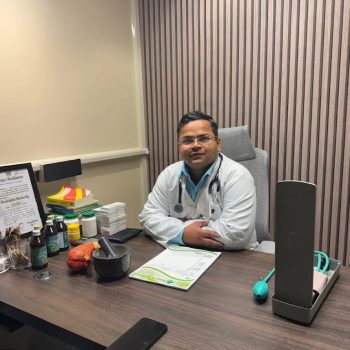
At Nature Hospital in Hisar, we believe that every patient deserves a calm, confidential and respectful consultation. Our approach to fissure treatment in Ayurveda begins with a detailed discussion about your symptoms, bowel habits, diet, sleep and stress. Dr. Bhisham Tiwari uses traditional assessment methods, including Nadi Parikshan, and then suggests a personalised plan that may include diet, lifestyle changes and herbal medicines.
We also guide you about when modern investigations or a surgeon’s opinion are needed. Our aim is simple: honest advice, a clear plan and steady follow-up. You can read about our approach to piles treatment in Hisar, or explore the details on our piles treatment page.
Why Patience and Consistency Matter in Fissure Treatment in Ayurveda
Ayurvedic care works gradually. It improves digestion, softens stool and strengthens the tissue over days and weeks, rather than numbing pain for a few hours. This is why consistency matters more than any single remedy. A person who follows the diet for three days and then returns to fried food and tea will not see the same benefit as someone who follows simple habits every day.
Keep a small diary for two weeks. Note what you ate, how much water you drank, whether the stool was soft or hard, and how much pain you felt. This simple record helps you and your doctor see which foods and habits make a difference. Over time, you will learn your own triggers. For example, some people find that too much tea or a late dinner makes the stool hard the next morning.
Remember that small, steady steps are the real strength of fissure treatment in Ayurveda. Do not become discouraged if the pain does not vanish overnight. If there is no improvement after one to two weeks of careful home care, or if the pain gets worse, please visit your doctor for a proper check.
Safe Use of Herbs and Home Remedies
Social media is full of quick fixes for fissures. Some are harmless, but others can burn the skin or delay proper care. Before trying any home remedy, keep these safety points in mind.
- Never apply strong acids, lemon juice, raw garlic, chilli paste or any irritant to a fissure.
- Do not insert objects, oils or herbs into the anus without medical guidance.
- Avoid using castor oil or strong laxatives regularly. Long-term use can make the bowel dependent.
- Buy herbal products only from reliable sources, and check that the label lists the ingredients.
- Stop any remedy that causes burning, rash or increased pain, and consult your doctor.
- Tell your doctor about all herbs and supplements, especially if you take blood thinners, diabetes medicines or blood pressure tablets.
A safe and sensible approach to fissure treatment in Ayurveda always puts a proper diagnosis and professional guidance first.
Putting It All Together: A Simple Seven-Day Starter Plan
If you want a practical way to begin, try this plan for one week, and then review your progress.
- Day 1 and 2: Start the day with warm water, add one fruit and one cooked vegetable to each meal, and take two sitz baths.
- Day 3 and 4: Replace refined flour items with whole wheat roti, daliya or oats. Add buttermilk at lunch.
- Day 5: Add a 30-minute walk, and fix your toilet time.
- Day 6: Cut out fried and packaged snacks, and limit tea to one or two cups.
- Day 7: Review your diary, and note what improved. Book a consultation if you still have pain or bleeding.
This plan is only a starting point. It is not a prescription, and your doctor may suggest changes. But it shows how small and realistic changes can make fissure treatment in Ayurveda easier to follow at home.
Quick Summary of Fissure Treatment in Ayurveda
If you only have a minute, here is the short version of fissure treatment in Ayurveda.
- Fissure treatment in Ayurveda starts with softening the stool through water, fibre and a little ghee.
- Fissure treatment in Ayurveda uses warm sitz baths two or three times a day to relax the muscle.
- Fissure treatment in Ayurveda avoids spicy, fried and refined food while the tear heals.
- Fissure treatment in Ayurveda adds a fixed toilet time, daily walking and stress control.
- Fissure treatment in Ayurveda uses herbs and oils only under a doctor’s guidance.
- Fissure treatment in Ayurveda works best when you stay consistent for several weeks.
- Fissure treatment in Ayurveda should be combined with a medical review for chronic or bleeding fissures.
- Fissure treatment in Ayurveda is about preventing recurrence as much as healing the tear.
Frequently Asked Questions (FAQ)
Can a fissure be treated with Ayurveda?
Yes. Fissure treatment in Ayurveda offers diet, lifestyle, herbal and local therapies that support healing and help prevent recurrence. Many acute fissures improve well with this approach. Chronic or complicated fissures may need combined care and a doctor’s supervision.
What is the best home remedy for a fissure?
The most helpful home measures are warm sitz baths, plenty of water, a high-fibre diet and avoiding straining. These address both pain and the cause.
Is ghee good for a fissure?
A small amount of ghee is traditionally considered helpful for dryness and stool softening. Keep the quantity moderate, and check with your doctor if you have high cholesterol, fatty liver or obesity.
Does a fissure heal on its own?
Many acute fissures heal in a few weeks when stools stay soft. Chronic fissures that last longer than six to eight weeks usually need professional care.
Is walking good for a fissure?
Yes. Walking is a simple part of fissure treatment in Ayurveda because it improves digestion and bowel movement. Avoid heavy lifting and long periods of sitting.
Which foods make a fissure worse?
Spicy food, fried snacks, refined flour products, excess tea and coffee, alcohol and low-fibre processed food can aggravate constipation and irritation.
Can stress cause a fissure?
Stress does not directly tear the skin, but it affects digestion and can lead to constipation or diarrhoea, which are common triggers.
How is the fissure treatment in Ayurveda different from ointments alone?
Ointments give temporary comfort, but fissure treatment in Ayurveda also works on digestion, diet and routine so that the cause is addressed and the fissure is less likely to return.
Can I use a fissure treatment in Ayurveda along with my regular medicines?
Often yes, but only after your doctor knows about every medicine you take. Never stop a prescribed medicine on your own.
Key Takeaways
- A fissure is a small tear in the anal lining, usually caused by hard stools.
- Ayurveda calls it Parikartika and links it with vata and pitta imbalance and constipation.
- Fissure treatment in Ayurveda combines diet, hydration, sitz baths, routine and, where needed, herbal medicines.
- Diet and bowel habits decide long-term success.
- See a doctor if pain is severe, bleeding is heavy or the fissure does not heal in six to eight weeks.
Consult Dr. Bhisham Tiwari at Nature Hospital, Hisar
If you are dealing with a fissure, you do not have to manage it alone. At Nature Hospital, Dr. Bhisham Tiwari (Ayurvedacharya) offers confidential consultations in the clinic and online. After a detailed assessment, including Nadi Parikshan, a personalised plan covering medicines, diet and lifestyle is suggested. You may also read about our approach to piles treatment or book a consultation. The online consultation fee is Rs. 200 and is adjustable against a complete treatment package.
- Address: 32, Rama Complex, Parijat Chowk, Hisar, Haryana 125001
- Phone / WhatsApp: +91 98126 95495
- Timings: Monday to Saturday, 9:00 am to 7:00 pm (Sunday closed)
Trusted External Resources
- National Institute of Diabetes and Digestive and Kidney Diseases (NIDDK): Anal fissures
- Mayo Clinic: Anal fissure, symptoms and causes
- NHS: Anal fissure
Disclaimer: This article is for general information and education only. It is not a substitute for professional medical advice, diagnosis or treatment. Always consult a qualified doctor for your specific condition, and do not stop or change any prescribed medicine without medical advice. Individual results may vary.