Pus, pain and a small opening near the anus that never seems to heal can be worrying and embarrassing. This is often an anal fistula. Many people delay seeing a doctor because they hope it will settle on its own, but a fistula usually does not heal without proper care.
In this guide, we explain fistula treatment in Ayurveda in simple words. You will learn what a fistula is, why it forms, how Ayurveda describes it as Bhagandara, what Kshar Sutra therapy is, which diet and habits help, and when you must see a surgeon.
This article is for education. A fistula must always be examined by a qualified doctor first.
Table of Contents
- What Is an Anal Fistula?
- Symptoms of an Anal Fistula
- Causes and Risk Factors
- The Ayurvedic View: Bhagandara
- Fistula Treatment in Ayurveda: What Kshar Sutra Therapy Is
- 7 Powerful Facts About Fistula Treatment in Ayurveda
- Diet for Fistula Treatment in Ayurveda
- Home Care During Fistula Treatment in Ayurveda
- Herbs Commonly Used with Fistula Treatment in Ayurveda
- Choosing the Right Doctor for Fistula Treatment in Ayurveda
- When to See a Doctor Urgently
- Fistula Treatment in Ayurveda vs Modern Surgery
- Frequently Asked Questions (FAQ)
- Key Takeaways
- Consult Dr. Bhisham Tiwari at Nature Hospital, Hisar
- Trusted External Resources
What Is an Anal Fistula?
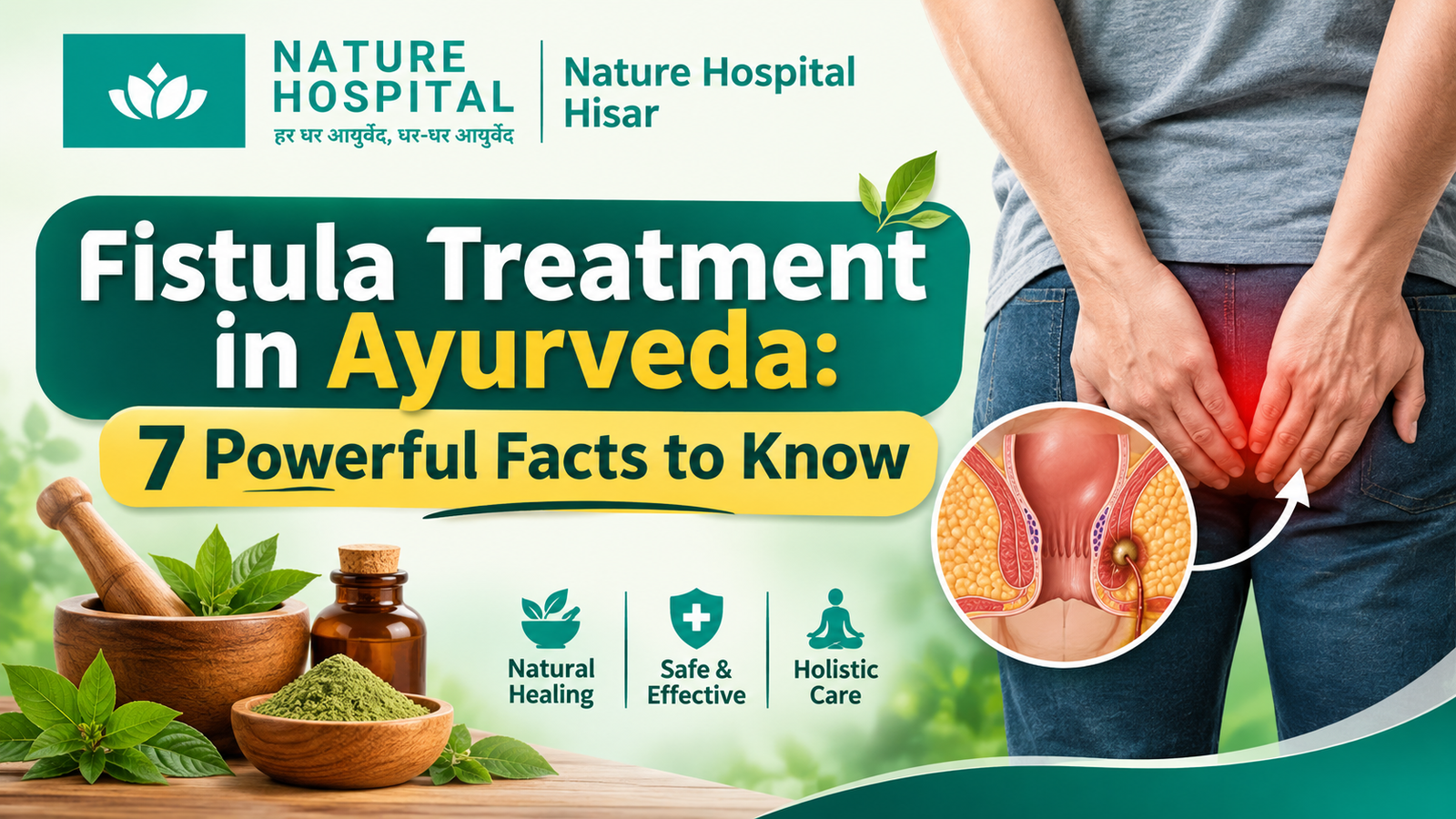
An anal fistula is a small tunnel that forms between the inside of the anal canal and the skin around the anus. It usually begins as an abscess, which is a painful collection of pus near the anus. When the abscess bursts or is drained, a channel may remain and keep discharging pus, blood or mucus.
Fistulas can be simple, with a single short tract, or complex, with several tracts or a tract that passes through a lot of muscle. This difference matters a great deal for planning fistula treatment in Ayurveda and in modern surgery.
Symptoms of an Anal Fistula
- A small boil or opening near the anus that keeps discharging.
- Pain and swelling around the anus, often worse when sitting or passing stool.
- Foul-smelling discharge, pus or blood on the underwear.
- Skin irritation and itching around the opening.
- Fever or chills when an abscess is forming.
- Pain that suddenly eases after a discharge, then returns.
A fissure and a fistula are different problems. Our guide on piles vs fissure explains how pain, bleeding and swelling differ, and why an examination is important.
Causes and Risk Factors
Most fistulas follow an infected anal gland that forms an abscess. Other causes include Crohn’s disease and other bowel inflammation, tuberculosis, injury, surgery near the anus, radiation, and diabetes, which lowers resistance to infection. Chronic constipation, poor hygiene and long sitting hours may add to the risk, but they are not the only reason.
Because some causes are serious, a proper diagnosis is the first step of any fistula treatment in Ayurveda. Imaging such as an MRI scan may be advised for a complex tract.
The Ayurvedic View: Bhagandara
In Ayurveda, a fistula is described as Bhagandara. The classical texts, including the Sushruta Samhita, describe it as a painful condition with an abscess near the anus that leaves a tract. Sushruta, regarded as the father of surgery, also described detailed methods to manage it.
Ayurveda links Bhagandara with aggravated doshas, mainly vata and pitta, along with weak digestion, constipation and unclean habits. The abscess stage is called Pidika. The texts stress early care so that the abscess does not become a long-standing tract.
Fistula Treatment in Ayurveda: What Kshar Sutra Therapy Is
The best-known part of fistula treatment in Ayurveda is Kshar Sutra therapy. A medicated thread, coated with alkaline herbal ingredients, is passed through the fistula tract and tied loosely. The thread gently cuts and heals the tract gradually, while the herbal coating cleans the channel.
The thread is changed every week or so by the surgeon. As the tract shortens, the thread is tightened. This approach aims to open the tract slowly while protecting the sphincter muscles, which control stool. That is important, because cutting too much muscle can lead to problems with bowel control.
Kshar Sutra is a procedure, not a home remedy. It must be done only by a trained Ayurvedic surgeon after a proper examination. Studies, including some from Indian research institutes, have reported encouraging results, but the outcome depends on the type of fistula and the care taken afterwards. Not every fistula suits every method.
7 Powerful Facts About Fistula Treatment in Ayurveda
Fact 1: A fistula rarely heals by itself
Because the tract is lined with tissue, it tends to stay open. Waiting only allows repeated infection.
Fact 2: Diagnosis decides the plan
The position of the tract in relation to the muscle decides which method is safe. Never accept or start a treatment without an examination.
Fact 3: Fistula treatment in Ayurveda uses surgery too
Ayurveda is not only herbs. Kshar Sutra and other minor procedures are part of its surgical tradition.
Fact 4: Medicines and diet support the procedure
Herbal medicines, sitz baths and a fibre-rich diet reduce inflammation and keep stools soft, which helps healing.
Fact 5: Aftercare matters as much as the procedure
Regular cleaning, dressing and follow-up visits decide whether the tract heals well.
Fact 6: Recurrence is possible
A complex fistula may return, which is why follow-up and healthy bowel habits are essential.
Fact 7: Control of diabetes and constipation helps
High blood sugar and constipation both slow healing, so they must be managed along with fistula treatment in Ayurveda.
Diet for Fistula Treatment in Ayurveda
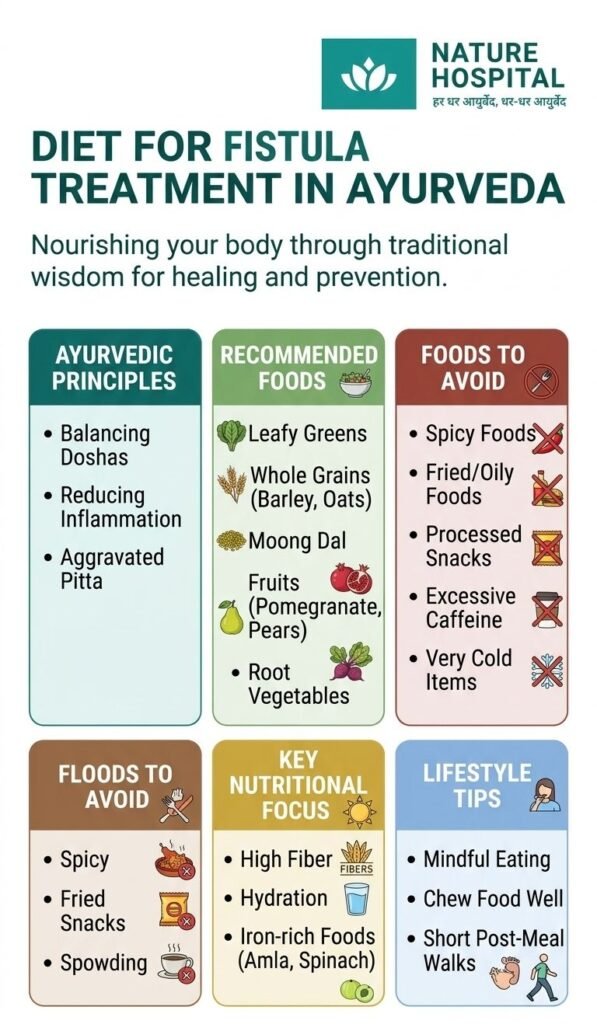
Good food will not close a fistula, but it makes stool soft and reduces strain on the healing area.
- Eat whole grains, daliya, oats and millets, with plenty of cooked vegetables such as lauki, tori, pumpkin and spinach.
- Include moong dal, curd or buttermilk, and fruits such as papaya, guava, apple and soaked raisins.
- Drink eight to ten glasses of water, unless your doctor limits fluids.
- Avoid very spicy food, pickles, deep-fried snacks, refined flour products, excess tea, coffee and alcohol.
- Avoid heavy, oily meals and late-night eating.
The foods that help here are the same as those in our piles diet guide, and they support constipation relief as well.
Home Care During Fistula Treatment in Ayurveda
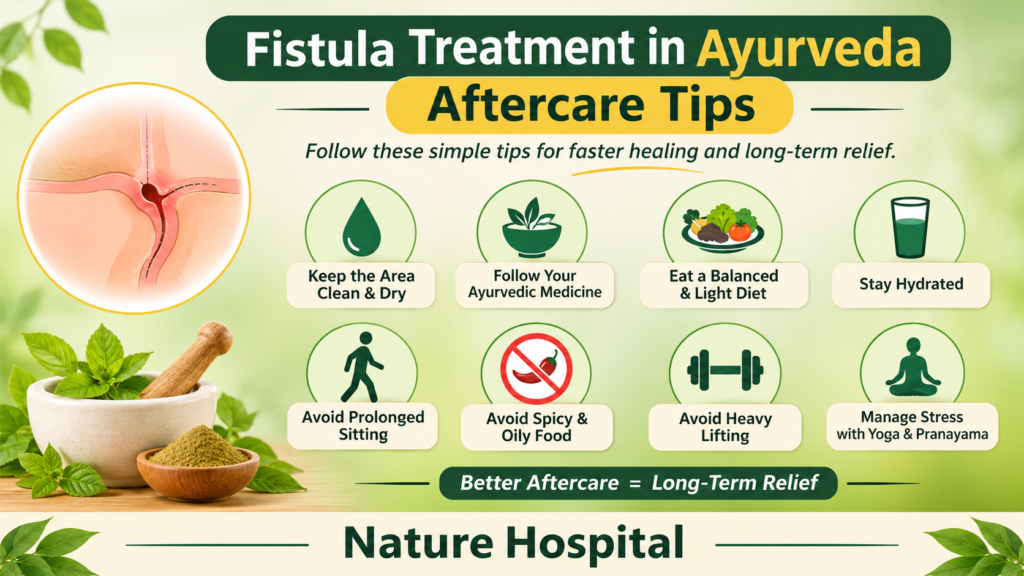
- Take a warm sitz bath for 10 to 15 minutes two or three times a day and after each stool, as your doctor advises.
- Clean the area gently with lukewarm water and pat dry. Do not rub.
- Use a clean pad if there is discharge, and change it often.
- Do not squeeze or poke the opening.
- Do not strain on the toilet or sit for long periods.
- Walk daily, and avoid heavy lifting while the area is healing.
- Follow the dressing and thread-change schedule given by your surgeon.
Herbs Commonly Used with Fistula Treatment in Ayurveda
Practitioners may use Triphala for bowel regulation, Guggulu-based formulations such as Triphala Guggulu and Kanchanar Guggulu for inflammation, Haridra (turmeric) and neem for their traditional cleansing qualities, and medicated oils or decoctions for local washing. The evidence for several herbs is limited, and they can interact with other medicines. Use them only on your doctor’s advice.
Choosing the Right Doctor for Fistula Treatment in Ayurveda
Because a fistula involves the sphincter muscles, experience matters. Before you begin fistula treatment in Ayurveda, ask the surgeon about the type of fistula you have, the expected duration, the follow-up schedule and the risk of recurrence. You can read about our approach to piles treatment and related anal conditions on our website.
When to See a Doctor Urgently
- Severe pain, swelling or redness near the anus.
- Fever or chills with a painful lump.
- Pus or blood discharge that continues for more than a week.
- Loss of control over stool or gas.
- Diabetes, Crohn’s disease or low immunity with these symptoms.
Do not try to burst a boil at home. An untreated abscess can spread.
Fistula Treatment in Ayurveda vs Modern Surgery
Modern surgery offers fistulotomy, seton placement, flap procedures and newer sealing methods. Ayurveda offers Kshar Sutra with herbal support. Both aim to open or close the tract without damaging the sphincter. The right choice depends on the type of fistula, your health and the surgeon’s experience. Ask each doctor about the expected healing time, the risk of recurrence and the effect on bowel control. If you have seen a surgeon already, tell your Ayurvedic doctor all about it.
Many patients also read our guide on fissure treatment in Ayurveda, since the diet and bowel habits for both conditions are similar.
Frequently Asked Questions (FAQ)
Can fistula be cured with Ayurveda?
Ayurveda offers Kshar Sutra therapy, which many patients find helpful, along with diet and herbs. The result depends on the type of fistula, and a surgeon must decide the method.
Is Kshar Sutra in fistula treatment in Ayurveda painful?
There is usually some discomfort in the first days, which settles with medicines and sitz baths. Your surgeon will guide you.
How long does fistula treatment in Ayurveda take?
It varies with the length and complexity of the tract. Simple tracts may heal in a few weeks to months, while complex ones take longer.
Can I work during treatment?
Most people continue light work. Avoid long sitting, heavy lifting and travel on rough roads if advised.
Can a fistula come back?
Yes, especially a complex one. Follow-up and healthy bowel habits reduce the risk.
Is a fistula related to piles?
They are different conditions, though they may occur together. A fistula is a tunnel, while piles are swollen veins.
Key Takeaways
- A fistula is a tunnel near the anus, usually after an abscess.
- Fistula treatment in Ayurveda uses Kshar Sutra therapy along with diet, sitz baths and herbs.
- Diagnosis and a skilled surgeon decide the safest method.
- Aftercare, bowel habits and blood sugar control help healing.
Consult Dr. Bhisham Tiwari at Nature Hospital, Hisar
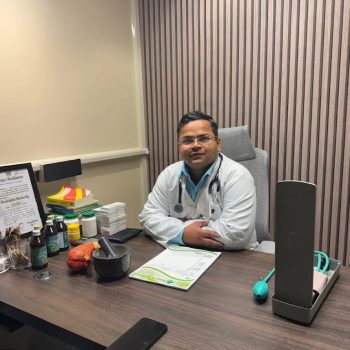
If you are dealing with a fistula, you do not have to manage it alone. At Nature Hospital, Dr. Bhisham Tiwari (Ayurvedacharya) offers confidential consultations in the clinic and online. After a detailed assessment, including Nadi Parikshan, a personalised plan covering medicines, diet and lifestyle is suggested. You can book a consultation today. The online consultation fee is Rs. 200 and is adjustable against a complete treatment package.
- Address: 32, Rama Complex, Parijat Chowk, Hisar, Haryana 125001
- Phone / WhatsApp: +91 98126 95495
- Timings: Monday to Saturday, 9:00 am to 7:00 pm (Sunday closed)
Trusted External Resources
Disclaimer: This article is for general information and education only. It is not a substitute for professional medical advice, diagnosis or treatment. Always consult a qualified doctor for your specific condition, and do not stop or change any prescribed medicine without medical advice. Individual results may vary.